

How Classic Casinos are Represented in Modern Hollywood Films
Introduction
Classic casinos have long fascinated filmmakers and audiences alike, acting as settings for tales of fortune, deception, and high-stakes drama. This article explores how classic casinos are represented in modern Hollywood films, examining themes, character development, and iconic imagery that continue to capture the imagination.
The Glamour of Classic Casinos
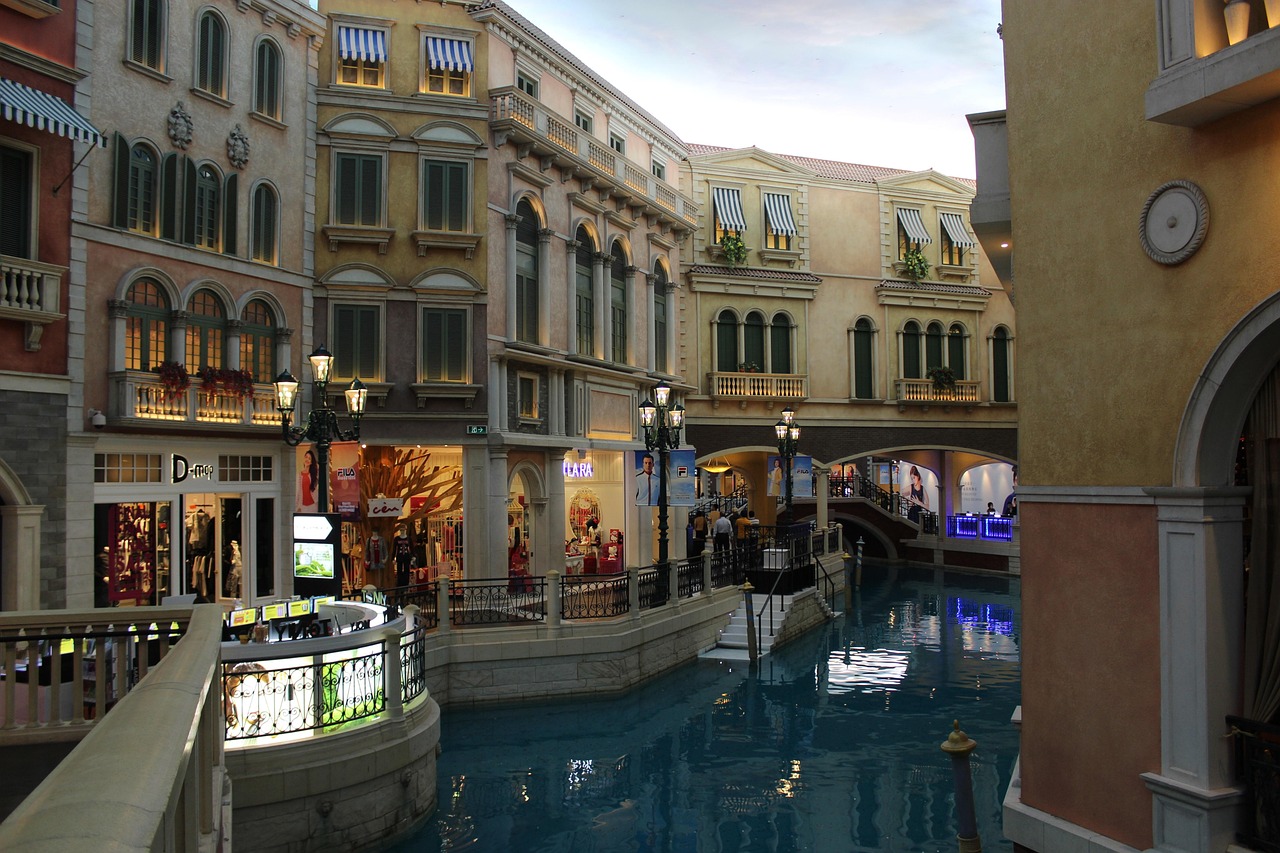
Modern Hollywood films often embody the charm and allure that classic casinos represent. These establishments, reminiscent of Las Vegas and Monte Carlo, are depicted as glamorous locales where fortunes can be won or lost at the turn of a card. The focus on luxurious locales paired with thrilling gameplay creates an enticing backdrop for storytelling.
Key Elements of Casino Glamour
– Lavish interiors filled with elaborate decorations.
– High stakes tables with wealthy patrons.
– The hustle and bustle of excitement and tension.
For more on how casinos are designed to attract players, check out [Casino Design: The Psychology of Spending](https://www.psychologytoday.com/us/blog/the-science-behind-how-we-play/201707/casino-design-the-psychology-spending).
Famous Films Featuring Classic Casinos
Several modern films prominently feature classic casino settings, allowing the narrative to unfold amid the thrill of gambling. Some noteworthy examples include:
1. **Casino Royale (2006)** – This James Bond film showcases high-stakes poker at a lavish casino in Montenegro, illustrating the depth of strategy involved in card games.
2. **Ocean’s Eleven (2001)** – A heist film that revolves around an elaborate plan to rob three casinos, highlighting the intricacies involved in casino operations.
3. **The Hangover (2009)** – Set in Las Vegas, this comedy captures both the chaos and excitement often experienced in casinos.
Impact on Audience Perception
These films shape how audiences view classic casinos, reinforcing both romanticized views of gambling as a glamorous pursuit and cautionary tales of the consequences of excess.
Character Archetypes in Casino Films
Hollywood often crafts memorable characters who embody the spirit of classic casinos. Some notable archetypes include:
– **The Risk-Taker** – Characters driven by adrenaline and the thrill of gambling.
– **The Dealmaker** – Individuals who maneuver through social and financial hierarchies within the casino.
– **The Cautionary Figure** – Often providing a moral compass, warning against the dangers of addiction and loss.
These archetypes contribute to the rich tapestry of stories told in these cinematic landscapes.
Symbolism of Classic Casinos
Classic casinos often serve as symbols of broader themes, including:
– **Luck vs. Skill** – The tension between chance and strategy in achieving success.
– **Temptation and Risk** – The allure of easy wealth juxtaposed with the potential for financial ruin.
– **Freedom and Escape** – Casinos as places where characters seek to escape reality, even if momentarily.
For insights into how gambling influences character choices, refer to [The Psychology of Gambling](https://www.psychologytoday.com/us/blog/the-truth-about-gambling/202101/the-psychology-gambling).
Visual Aesthetics of Casino Representation
The visual representation of casinos plays a crucial role in modern films. Cinematography showcases vibrant lights, ornate decorations, and crowded gaming floors, drawing viewers into that world. Techniques such as slow motion during high-stakes hands and close-up shots of chips being stacked amplify the tension and excitement.
Iconic Imagery in Casino Films
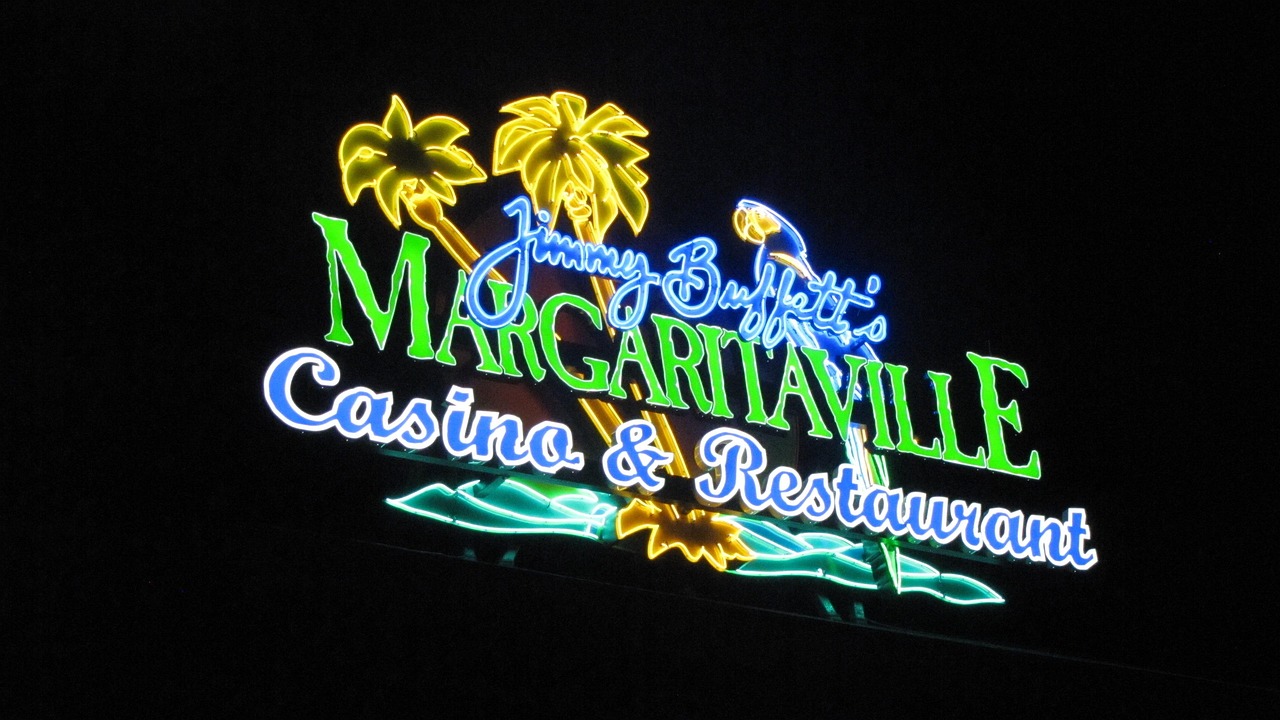
– The flashing neon lights that invite players in.
– Close-ups of cards being flipped over.
– Candid shots of patrons reacting to wins and losses.
The Role of Sound in Casino Scenes
Sound design significantly enhances the atmosphere of casino scenes in films. The clinking of chips, the shuffle of cards, and the ambient noises of conversations create a vibrant auditory tapestry that immerses viewers in the casino experience.
Modern Interpretations and Nostalgia
Contemporary films frequently invoke a sense of nostalgia for the glories of classic casinos while modernizing their representation to highlight changing societal views on gambling. This duality reflects a blending of the old with the new, allowing filmmakers to explore fresh narratives while honoring the historical allure of casinos.
Conclusion
As classic casinos continue to inspire Hollywood storytelling, their representation in modern films serves to highlight both the glamor and the cautionary aspects of gambling. This timeless fascination guarantees that casinos will remain central to future narratives, captivating audiences with every roll, shuffle, and deal.