

A Beginner’s Guide to Japanese Card Games: From Hanafuda to Oicho-Kabu
Introduction to Japanese Card Games
Japanese card games have a rich cultural history and offer a unique blend of strategy, skill, and fun. These games often reflect elements of traditional Japanese culture and are enjoyed by people of all ages. Whether you are looking to play casually with friends or delve deeper into the competitive realm, this guide will walk you through some of the most popular Japanese card games.
1. Hanafuda
Hanafuda is perhaps the most iconic traditional Japanese card game. Literally meaning “flower cards,” Hanafuda consists of a deck of 48 cards divided into 12 suits that represent different months of the year. Each suit showcases seasonal flowers and animals.
Gameplay
The most recognized variant of Hanafuda is Koi-Koi. In Koi-Koi, players try to make pairs of cards, known as “yaku,” to score points. Players can either end the round early or continue playing to try for additional points.
How to Play Koi-Koi
- Shuffle and deal 8 cards to each player.
- Place 8 cards face-up in the center.
- On each turn, players may take a card from the center and try to match it with one from their hand.
- If a player creates a yaku, they can choose to call “Koi-Koi” and continue or end the round for their current score.
For detailed rules and strategies, visit the Japan Travel guide on Hanafuda.
2. Oicho-Kabu
Oicho-Kabu is a traditional Japanese gambling card game that resembles Blackjack. The game uses a set of 48 Hanafuda cards and is often played in social settings.
How to Play
Players aim to reach a total card value closest to 9. Cards are valued as follows:
- 1-9 cards: Face value
- 10 cards and face cards: 0
Players draw cards in turns, attempting to score higher than the dealer without going over 9. For an in-depth look at Oicho-Kabu’s rules, check out this article on Oicho-Kabu.
3. Dai Hi Mō
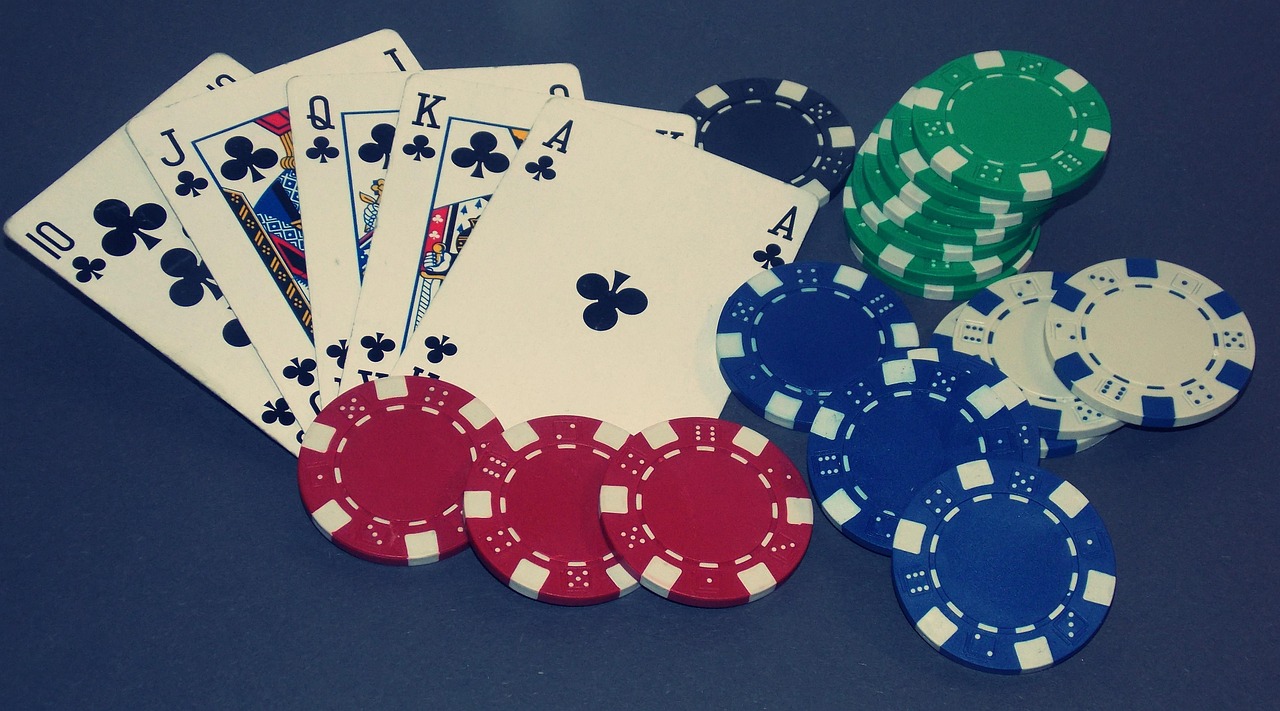
Dai Hi Mō is a popular game similar to Poker and is enjoyed primarily in social gatherings. Each player is dealt five cards, and the goal is to create the highest-ranking hand.
Hand Rankings
Hand rankings are similar to those in Western Poker and include:
- High Card
- One Pair
- Two Pair
- Three of a Kind
- Straight
- Flush
- Full House
- Four of a Kind
- Straight Flush
4. Kyōtō Shichi Nenzen
Kyōtō Shichi Nenzen is a traditional gambling game played with a special set of cards. The objective is to be the player with the highest score after a set of rounds. This game often involves betting, making it exciting for players.
5. Karuta
While Karuta traditionally uses picture cards, it can be considered within Japanese card games. In this game, players must match swift reading with quick reflexes.
Types of Karuta
There are two main types of Karuta:
- Uta-garuta: Based on poetry.
- E-hon-garuta: Based on illustrations.
6. Japanese Poker Games
Besides traditional games, many modern adaptations exist, reflecting Western influences. Games like Texas Hold’em Poker have gained immense popularity in Japan, often played in various card clubs.
Conclusion
Japanese card games are not only fun but also a great way to immerse yourself in Japanese culture. Whether you choose to play Hanafuda, Oicho-Kabu, or explore other games, each offers unique rules and experiences. Gather your friends, learn the ropes, and enjoy the rich tradition of card gaming!