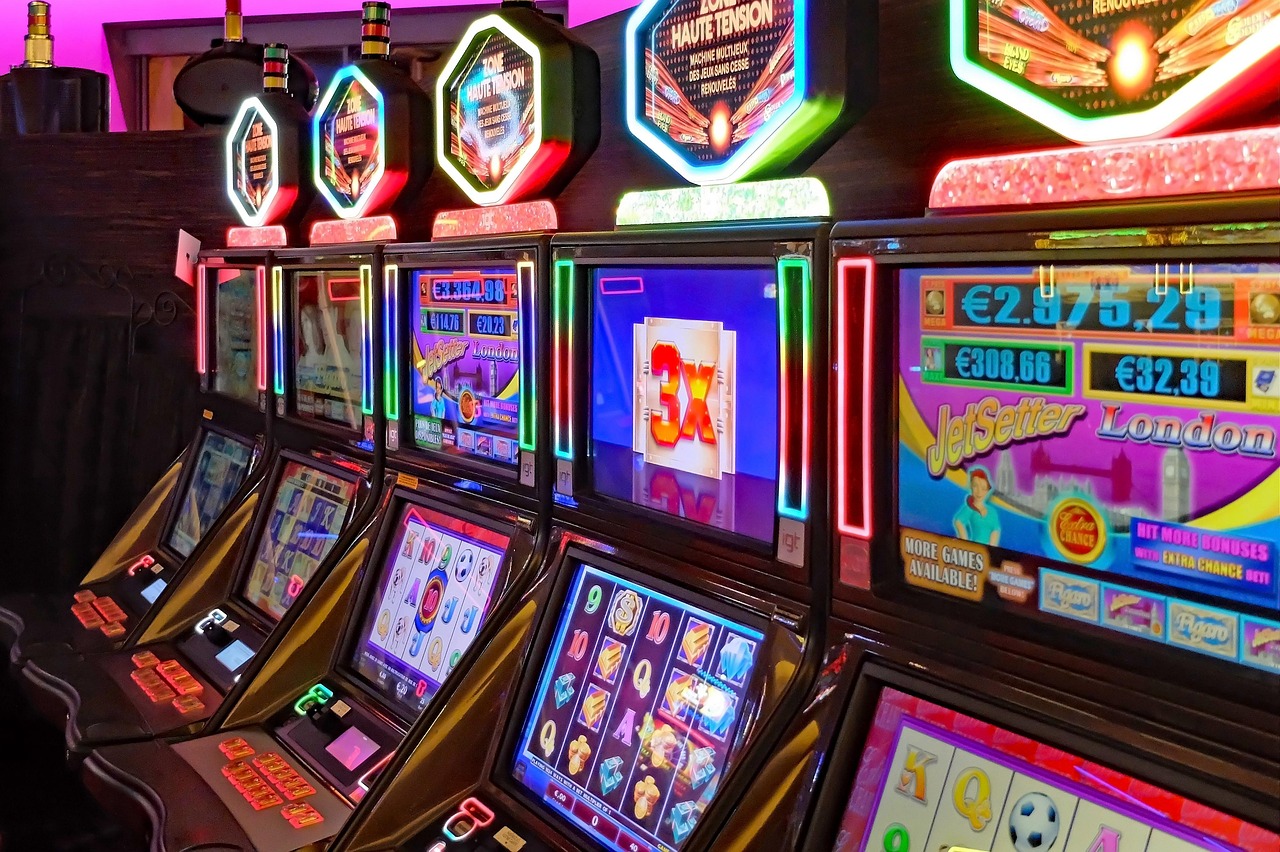



The Best Roulette Games to Play for Maximum Fun

Introduction to Roulette

When seeking the ultimate casino thrill, nothing captures the essence of chance quite like engaging with various roulette games. Renowned globally for their blend of simplicity and high-stakes excitement, these roulette games utilize a spinning wheel and a small ball to create a captivating atmosphere. Whether you rely on pure luck or calculated strategy, the diverse options found within roulette games offer an unparalleled experience for every player.

Roulette casino
Image by GregMontani from Pixabay

Classic European Roulette

If you want to experience the essence of roulette, Classic European Roulette is a must-try. With a single zero on the wheel, it has the highest payout odds, giving players a 2.7% house edge. The game is visually appealing and easy to understand, making it ideal for both beginners and seasoned players. Learn more about European Roulette rules and strategies.

French Roulette – A Unique Twist

French Roulette offers a unique twist with its special rules, such as ‘La Partage’ and ‘En Prison,’ which can help players reduce the house edge to as low as 1.35%, making it an exciting and strategic choice. The layout and terminology may differ slightly from the European variant, but the core gameplay remains the same.

American Roulette: Bigger Bets, Bigger Thrills

American Roulette features both a single zero and a double zero, which raises the house edge to about 5.26%. While it has lower odds than its European and French counterparts, the larger wheel and additional betting options can create exciting gameplay. Many players enjoy the thrill of spinning the wheel in American casinos.

Roulette casino
Image by GregMontani from Pixabay

Multi-Wheel Roulette: Spin More, Win More

For those who crave action, Multi-Wheel Roulette is the perfect variant. Players can bet on multiple wheels simultaneously, increasing the excitement and potential payouts. Keep in mind, however, that the game’s complexity also rises, so strategic betting is essential.

Mini Roulette: A Fun-Sized Adventure

Mini Roulette is a simplified version of the classic game, featuring only 13 numbers (0-12). This variant is particularly fun for newcomers, and it offers quicker rounds. While the house edge is higher due to the fewer numbers, it remains an entertaining choice for players looking for a light-hearted game.

Online Roulette: Play Anytime, Anywhere

Online casinos have revolutionized how we play roulette. With hundreds of options available, players can enjoy their favorite variants from the comfort of home. Many online casinos also offer live dealer roulette for an authentic experience. Check out CasinoTop10 for the best online roulette sites.

Roulette Strategies: Tips for Maximum Fun and Profit

  • Martingale Strategy: Doubling your bet after each loss can lead to significant wins if you have enough bankroll to support it.
  • Fibonacci Strategy: This involves betting according to the Fibonacci sequence. It is a more conservative approach than Martingale.
  • D’Alembert Strategy: This strategy involves increasing your bet by one unit after a loss and decreasing it by one unit after a win.

Proper application of these strategies can lead to a more enjoyable experience at the roulette table.

Roulette casino
Image by AllClear55 from Pixabay

Conclusion: Finding Your Favorite Roulette Game

Whether you prefer the classic feel of European Roulette or the fast-paced excitement of Multi-Wheel, there is a roulette game for everyone. Always remember to play responsibly and enjoy the thrill of the game!

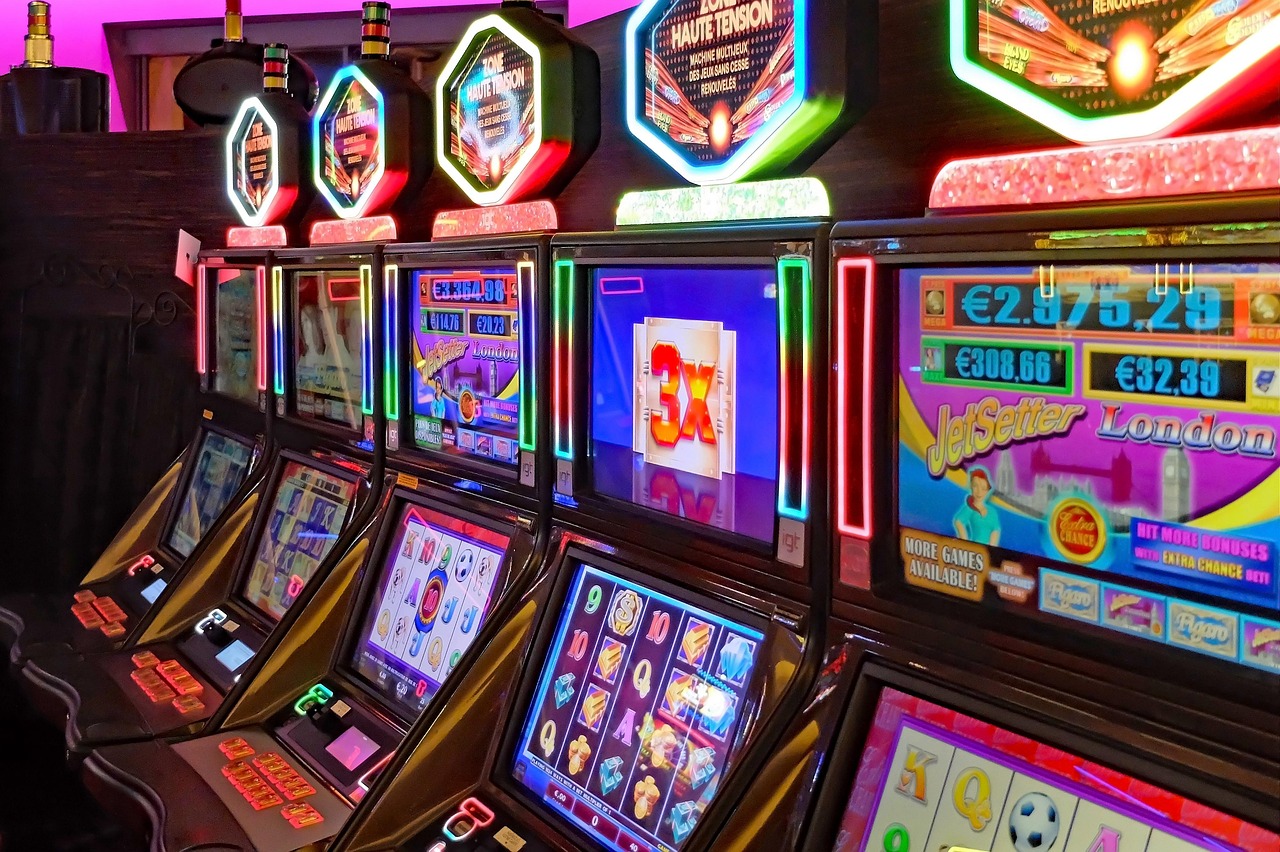
5 Reasons Why You Should Try Progressive Jackpot Slots

Introduction

Progressive jackpot slots have garnered immense popularity in both online and land-based casinos. They offer players the unique opportunity to win life-changing sums of money with a single spin. In this article, we’ll explore five compelling reasons why you should consider giving progressive jackpot slots a try.

What Are Progressive Jackpot Slots?

Progressive jackpot slots are a type of slot machine that links several games together, pooling a portion of each bet into a central jackpot that keeps increasing until someone wins it. This mechanism creates the potential for enormous payouts that can reach into millions. For a deeper understanding of how these slots work, check out this resource from Gambling.com.

Slot machine
Image by djedj from Pixabay

1. Life-Changing Jackpots

One of the most enticing factors of progressive jackpot slots is their massive payouts. Unlike standard machines where jackpots are fixed, progressive slots can offer staggering rewards. Players have reported winning amounts that have dramatically altered their lives. The dream of becoming an instant millionaire draws thousands to these slots every day.

2. Entertaining Gameplay

Progressive jackpot slots often feature exciting themes, captivating graphics, and immersive sound effects. The engaging gameplay keeps players entertained and invested as they spin the reels. Many games are designed with storylines and bonus features that add layers to the gaming experience. Some popular titles include:

Slot machine
Image by Bru-nO from Pixabay

  • Microgaming’s Mega Moolah
  • NetEnt’s Mega Fortune
  • IGT’s Wheel of Fortune slots

3. Accessible to Everyone

One of the great things about progressive jackpot slots is that players with various budgets can participate. Many of these games allow for low minimum bets, making it possible for casual players to try their luck without breaking the bank. This inclusivity promotes a fun environment for players of all levels.

4. Multiple Ways to Win

Progressive jackpot slots typically offer numerous opportunities for smaller wins as well. While the jackpot is the star of the show, players can also benefit from smaller payouts through regular gameplay or bonus features. This balance keeps players engaged, as they’re not solely focused on hitting the big progressive jackpot.

5. The Thrill of the Chase

Playing progressive jackpot slots provides an adrenaline rush that can be hard to replicate. The possibility of hitting a major jackpot fuels excitement, and every spin can be a potentially life-changing moment. Many players thrive on the suspense and anticipation, enhancing their overall gaming experience.

Conclusion

Progressive jackpot slots are undeniably exciting and present an opportunity for significant rewards. Their captivating gameplay, accessible nature, and life-changing potential could provide an unforgettable gambling experience. If you haven’t yet explored these thrilling games, now might be the perfect time to dive in!

Slot machine
Image by Aldertree from Pixabay

Further Reading

For more insights on slot machines and their mechanics, you can read this informative article on Casino.org.

Mastering Hanafuda: A Guide to Traditional Japanese Card Games | 10BET

Introduction to Hanafuda

While many enthusiasts flock to modern casinos to test their luck with various card games, some of the most captivating experiences stem from ancient traditions like Hanafuda. Dating back to the 16th century, this classic style of play offers a unique twist on traditional card games through a specialized deck featuring beautiful illustrations representing the months of the year and various flowers.

A Brief History of Hanafuda

The history of Hanafuda is rich and intertwined with Japanese culture. Initially, the game was influenced by Western playing cards during Japan’s isolation period. As the game evolved, it became a staple of Japanese entertainment.

The Hanafuda Card Deck

The Hanafuda deck consists of 48 cards divided into 12 suits, each representing a month with a specific flower. The suits are:

  • January: Pine
  • February: Plum Blossom
  • March: Cherry Blossom
  • April: Wisteria
  • May: Iris
  • June: Peony
  • July: Chrysanthemum
  • August: Bush Clover
  • September: Pampas Grass
  • October: Maple
  • November: Waka
  • December: Pine Bough

Each suit contains four cards, and the artwork reflects various cultural elements, making them visually appealing.

Japanese card game
Image by shell_ghostcage from Pixabay

Basic Rules of Hanafuda

While the gameplay can vary, the basic rules of Hanafuda are generally consistent. Here’s how to play:

  • The game typically involves 2-4 players.
  • The dealer shuffles the cards and deals eight cards to each player and lays down eight cards face up in the center.
  • Players take turns picking cards from the pile, trying to match them with cards on the table.
  • When a player matches a card, they score points based on the combination of cards.

Scoring in Hanafuda

Scoring can vary widely depending on the specific variations of Hanafuda being played. Some common scoring methods include:

Japanese card game
Image by shell_ghostcage from Pixabay

  • Koi-Koi: This popular version allows players to call ‘Koi koi’ to continue scoring.
  • Yaku: Special combinations of cards that yield higher points, like the ‘Katsumi’ and ‘Tachiwaki.’

Players often keep score on paper or through a designated scoring track.

Popular Variations of Hanafuda

There are several popular variants of Hanafuda, each with its own set of rules:

Japanese card game
Image by Alexas_Fotos from Pixabay

  • Koi-Koi: A faster-paced game focused on quick scoring.
  • Hachi-Hachi: A simplified version suitable for beginners.
  • Shiratori: A strategic variant that encourages more tactical play.

The Cultural Significance of Hanafuda

Hanafuda is more than just a game; it represents Japanese social culture and tradition. The artwork on the cards is often appreciated as a form of art, and the game is commonly played during family gatherings and festivals.

Getting Started with Hanafuda

If you’re interested in diving into the world of Hanafuda, consider the following resources:

  • Learn how to play Hanafuda
  • Explore Hanafuda’s cultural background

Conclusion

Hanafuda is a captivating combination of skill and strategy wrapped around a rich tapestry of Japanese culture. Whether you are looking to enjoy a casual game with friends or explore its historical meanings, Hanafuda offers a unique experience that is both entertaining and educational.

Analyzing the Popularity of Crypto Gambling Among Younger Generations

Introduction

In recent years, the popularity of cryptocurrency has skyrocketed, and with it, a new trend in the gambling industry has emerged: crypto gambling. This phenomenon has become particularly appealing to younger generations, including millennials and Gen Z, who are tech-savvy and drawn to innovative financial solutions. In this article, we will delve into the factors driving the popularity of crypto gambling among younger players and explore the implications for the iGaming industry.

The Rise of Cryptocurrency

Cryptocurrency, mainly Bitcoin, Ethereum, and other altcoins, has gained traction as a medium of exchange and investment vehicle. As younger generations become more comfortable with digital currencies, many are exploring various uses, including online gambling. According to Statista, a significant percentage of millennials own cryptocurrency, making them natural candidates for crypto gambling.

Crypto gambling
Image by wilhei from Pixabay

Appeal of Anonymity and Security

One of the most attractive features of crypto gambling is the level of anonymity it offers players. Unlike traditional online gambling platforms that usually require personal information, crypto casinos can allow users to gamble with pseudonymous identities. Additionally, the security features of blockchain technology safeguard transactions, making online gambling safer from fraud and identity theft. This can be particularly appealing to younger generations who value privacy.

Flexibility and Low Barriers to Entry

Many crypto gambling platforms have lower minimum deposit requirements compared to traditional online casinos. This lower barrier to entry is attractive to younger gamblers who may not have large sums of money to wager. Moreover, the instant deposit and withdrawal capabilities provided by cryptocurrencies make the gambling experience more streamlined and appealing.

Integration of Technology and Innovative Gaming Experiences

Younger gamblers are typically more tech-savvy and drawn to innovative online experiences, and crypto gambling platforms often leverage cutting-edge technology such as virtual reality and live dealer games. These platforms often integrate gamification elements and rewards programs, enhancing the overall experience and encouraging engagement.

Crypto gambling
Image by RyanMcGuire from Pixabay

Social and Community Engagement

The online gambling community often emphasizes social interaction through forums, chat rooms, and social media. Younger generations are likely to engage with platforms that allow them to share their gaming experiences and achievements with friends and followers. The integration of social features within crypto gambling platforms fosters a sense of community, enhancing their appeal.

Potential Risks and Regulatory Considerations

While crypto gambling offers numerous benefits, it also carries certain risks. The volatile nature of cryptocurrencies can lead to significant financial losses, especially for inexperienced gamblers. Furthermore, the lack of regulatory oversight in some jurisdictions raises concerns about fairness and security. It’s crucial for younger gamblers to understand these risks and gamble responsibly. For more information on the regulatory environment, visit Gambling Commission.

The Future of Crypto Gambling

The future of crypto gambling appears bright, especially as younger generations continue to embrace digital currencies in their everyday lives. As the technology matures, more gamblers are likely to venture into the world of cryptocurrencies for their gaming experiences. However, operators must ensure the platform’s compliance with gambling regulations and invest in security measures to protect players.

Crypto gambling
Image by MolnarSzabolcsErdely from Pixabay

Conclusion

Crypto gambling is more than just a trend; it represents a significant shift in how younger generations engage with gambling. By understanding the appeal, risks, and evolving landscape of crypto gambling, casinos and operators can better cater to this burgeoning demographic. The fusion of technology, innovation, and community is paving the way for a new era of online gaming.

Building a Strong Online Poker Community: Tips and Tricks

Introduction

Online poker has become a significant part of the gambling industry, with millions of players enjoying the game from the comfort of their homes. However, fostering a strong community is essential to enhance player experience and interaction. In this article, we explore various tips and tricks for building a vibrant online poker community.

1. Create an Engaging Online Platform

The foundation of any successful online poker community is its platform. Ensure that your website or forum is user-friendly, visually appealing, and easy to navigate. Include features that encourage interaction, such as:

  • Player profiles
  • Chat rooms
  • Discussion forums
  • Event calendars

For insights on web design and usability, check out Nielsen Norman Group.

2. Foster Open Communication

Encourage open lines of communication among members. Create channels for discussions, feedback, and suggestions. Regularly engage with your community through:

  • Surveys
  • Polls
  • Live Q&A sessions

This involvement helps members feel heard and valued. Tools like SurveyMonkey can help streamline this process.

3. Organize Tournaments and Events

Hosting regular online poker tournaments and events can significantly boost community engagement. Consider offering:

  • Freerolls
  • Tiers of tournaments with varying buy-ins
  • Special themed events

Promote these events through your online platform and social media to attract more participants.

4. Reward Active Members

Implement a rewards system to recognize and incentivize active participation. Consider rewards such as:

online community
Image by LoboStudioHamburg from Pixabay

  • Merchandise
  • Exclusive bonuses
  • VIP memberships

By valuing contributions, you keep the community flourishing and motivated.

5. Leverage Social Media

Utilize social media platforms to reach a broader audience and engage with your community. Platforms like Facebook, Instagram, and Twitter can be effective for:

  • Sharing poker tips and strategies
  • Promoting upcoming events
  • Celebrating community highlights

Regular posts and interactions can help build a loyal following.

6. Create Educational Resources

Help new and experienced players improve their skills by providing educational content. This can include:

online community
Image by rawpixel from Pixabay

  • Articles on strategies
  • Video tutorials
  • Webinars featuring professional players

Resources like PokerStrategy offer excellent educational material tailored to different skill levels.

7. Establish Guidelines and Moderation

To maintain a positive community atmosphere, establish clear guidelines for conduct. Make sure to have a moderation team to:

  • Enforce community rules
  • Handle disputes among members
  • Remove inappropriate content

This helps ensure a safe and welcoming environment for all members.

online community
Image by monicore from Pixabay

8. Host Regular Community Meetings

Schedule regular community meetings to discuss ongoing projects, gather feedback, and plan future initiatives. These meetings can foster a sense of belonging and importance among members.

Conclusion

Building a vibrant online poker community requires time, effort, and strategic planning. By creating an engaging environment, facilitating open communication, and rewarding active members, you can cultivate a thriving community that enhances the online poker experience.

What Is the Evolution of Casino Technology Over the Years?

Introduction

The world of casinos has seen dramatic transformations over the years, driven by advancements in technology. From the inception of mechanical devices to today’s digital platforms and immersive experiences, casino technology has evolved to enhance player experience, security, and engagement. In this article, we will explore the key stages in the evolution of casino technology, highlighting major innovations that have shaped the industry.

Casino technology
Image by stokpic from Pixabay

The Era of Mechanical Slots

The history of casino technology began with mechanical slot machines, first introduced in the late 19th century. Charles Fey invented the Liberty Bell in 1895, which became the prototype for future machines. These early slots used mechanical reels and were simple in design, requiring players to pull a lever to spin the reels. The popularity of these machines laid the groundwork for the gambling industry we know today.

Casino technology
Image by cyberneco from Pixabay

Key Features of Mechanical Slots:

  • Simple gameplay with three reels
  • Cash payouts or coins as prizes
  • Physical mechanisms like levers and gears

The Rise of Electronic Gaming Machines

In the late 20th century, the advent of electronic gaming machines marked a significant turning point. In the 1960s and 70s, casinos began replacing mechanical slots with electronic versions. These machines introduced Random Number Generators (RNGs), ensuring fair and unpredictable outcomes. As a result, players experienced increased excitement and the possibility of larger payouts.

Casino technology
Image by djedj from Pixabay

Benefits of Electronic Gaming Machines:

  • Higher payout percentages
  • Variety of games and themes
  • Ease of use with touch screens and buttons

The Digital Revolution: Online Casinos

The introduction of the internet in the 1990s brought about the rise of online casinos. By the late 1990s, platforms such as Microgaming and Cryptologic had launched the first online gambling sites, offering players the chance to experience casino gaming from the comfort of their homes. This evolution expanded the audience significantly and made gambling more accessible.

Impact of Online Casinos:

  • Convenient access to games 24/7
  • Wider selection of games, including live dealer options
  • Competitive bonuses and promotions

Mobile Gaming: The Next Frontier

As mobile technology advanced in the early 2000s, gambling quickly transitioned to smartphones and tablets. Mobile casinos became a significant aspect of the gaming industry, offering players the flexibility to gamble on the go. Mobile apps and responsive websites allowed for seamless gaming experiences, including gaming on social media platforms.

Advantages of Mobile Gaming:

  • Play anytime, anywhere
  • User-friendly interfaces optimized for mobile devices
  • Instant access to accounts and promotions

Virtual and Augmented Reality: A New Dimension

In recent years, the incorporation of Virtual Reality (VR) and Augmented Reality (AR) has begun to redefine the casino experience. Leading software companies are developing VR casinos that allow players to immerse themselves in a virtual gambling environment. This technology creates a more social atmosphere, as players can interact with others in real-time.

Features of VR and AR Casinos:

  • Immersive gameplay with realistic graphics
  • Real-time interaction with other players and dealers
  • Enhanced sensory experiences through 360-degree views

Blockchain Technology and Cryptocurrencies

The emergence of blockchain technology has introduced a new layer of security and transparency in online gambling. Cryptocurrencies like Bitcoin and Ethereum are becoming increasingly popular for transactions, allowing for anonymous betting and quick withdrawals. Blockchain ensures fairness by providing a verifiable record of all transactions.

Benefits of Blockchain in Online Casinos:

  • Enhanced security and anonymity
  • Faster transaction speeds
  • Smart contracts for fair play

Artificial Intelligence and Data Analytics

Artificial Intelligence (AI) is another technology shaping the future of casinos. AI can analyze player behavior, preferences, and trends to offer personalized experiences, including game recommendations and targeted promotions. Furthermore, casinos can utilize AI for operational efficiency, fraud detection, and enhanced customer service.

Advantages of AI in Casinos:

  • Personalized gaming experiences
  • Improved customer support through chatbots
  • Enhanced security with fraud detection algorithms

The Future of Casino Technology

As we look to the future, casino technology will likely continue to evolve at a rapid pace. Innovations in wearable technology, advanced robotics, and machine learning are expected to shape the next generation of gambling experiences. The focus will remain on enhancing player experiences while ensuring compliance with regulations and responsible gaming practices.

Conclusion

The evolution of casino technology is a fascinating journey influenced by cultural shifts, technological advancements, and changing consumer behavior. From mechanical slots to AI and blockchain, these innovations have transformed the gambling industry and will continue to redefine how players engage with their favorite games.

For further reading on the evolution of casino technology and its implications, refer to Gambling.com or check out American Express for insights on responsible gaming technology.

How to Master Casino Game Releases: Building a Winning Strategy | 10BET

Introduction

In the fast-paced evolution of the gaming industry, keeping a pulse on the latest casino game releases is the ultimate driver of operator success. Because fresh titles are the primary engine for player engagement and revenue growth, understanding the timing and quality of these launches is essential. This article explores how to build a strategic framework around upcoming casino game releases, ensuring your platform remains competitive, innovative, and deeply appealing to your audience.

Casino games
Image by MR_COX from Pixabay

Understanding Game Release Trends

To build a strategy around game release trends, it’s essential to first understand what these trends are. Game developers often announce upcoming releases several months in advance, providing insights into the types of games that will hit the market. Trends can include:

Casino games
Image by Bru-nO from Pixabay

  • Innovative game mechanics
  • Themes and graphics
  • Game genres like slots, table games, or live dealer options
  • Integration of new technologies, such as VR or blockchain

Analyzing Player Preferences

Understanding what players want can help shape your strategy. Conduct surveys or analyze data from previous game releases to identify popular themes and mechanics. This analysis will assist you in making informed decisions when selecting games for your casino.

Leveraging Social Media for Promotions

Social media can be an excellent tool for generating excitement around upcoming game releases. Regularly update your channels with teasers, behind-the-scenes insights, or countdowns to new launches. This engagement fosters a community feeling and keeps players informed.

Timing Your Promotions

Timing can greatly influence the success of your promotions. Consider aligning special promotions with new game releases. Here are some tactics:

  • Launch bonuses for new games
  • Tournaments with new games as the focus
  • Exclusive access events for loyal players

Staff Training on New Games

Ensure your staff is knowledgeable about new games before they launch. This includes understanding the rules, mechanics, and unique features of the games. Well-informed staff can provide better customer service and encourage players to engage with new releases.

Incorporating Feedback Mechanisms

After a game is released, gather feedback from players. This can include comments on the game’s design, usability, and enjoyment. Use these insights for future releases and to tweak your promotional strategies for existing games. Customer satisfaction is key to retaining players.

Monitoring Competitors

Keeping an eye on competitors helps you stay ahead of the curve. Observe their game releases, promotional strategies, and player engagement tactics. This competitive analysis can inform your approach and identify gaps in the market.

Casino games
Image by 3422763 from Pixabay

Utilizing Data Analytics

Embrace big data analytics to track player behavior and preferences. Tools like Google Analytics and gaming software provide valuable insights into player engagement and game performance. Use this data to refine your strategies continually.

Conclusion

Building a casino strategy around game release trends requires a multifaceted approach that includes market analysis, player engagement, and effective promotion. By leveraging data and staying in tune with industry changes, casinos can enhance their operational strategies and ultimately drive revenue growth.

Helpful Resources

For more insights on gaming trends, check out Gambling Insider’s report on slot launches and GamesIndustry.biz for the latest updates on game approval processes.

The Fascinating Evolution of Casino Advertising

Introduction

The world of casino advertising has undergone a remarkable transformation over the decades, evolving with advancements in technology and shifts in societal norms. From the grandiose billboards of Las Vegas to targeted online campaigns, the strategies used to attract patrons have continuously adapted. This article explores the fascinating evolution of casino advertising, highlighting key milestones and trends that have shaped its current landscape.

The Early Days: Print and Broadcast Media

In the early days of casino advertising, print media was king. Newspapers and magazines featured colorful ads showcasing the excitement of casinos, while local radio and television broadcasts promoted upcoming events and special promotions. This marked the beginning of mass marketing in the gambling sector.

  • Print Advertisements: These ads often featured luxurious images of the casino environment, enticing potential customers with promises of excitement and leisure.
  • Broadcast Promotions: Radio and TV spots educated the public about new casinos, emphasizing entertainment options and special events.

The Las Vegas Boom and Iconic Branding

The 1970s and 1980s marked the rise of Las Vegas as a gambling hub, bringing with it an era of iconic branding. Casinos began to create unique identities, using advertising to differentiate themselves from competitors.

  • Celebrity Endorsements: Many casinos enlisted famous personalities to attract visitors, creating a glitzy image that appealed to aspirational tourists.
  • Theme Casinos: Themed establishments, such as The Mirage and New York-New York, utilized creative advertising campaigns to captivate audiences and highlight their unique offerings.

The Influence of the Internet

With the advent of the internet in the 1990s, the casino advertising landscape began to shift dramatically. Online casinos emerged, requiring a new approach to marketing.

  • Web-based Advertisements: Banner ads became a popular way to promote online casinos, often featuring catchy graphics and irresistible bonuses.
  • SEO Strategies: Casino operators started investing in search engine optimization (SEO) to increase visibility and drive traffic to their sites.

Regulatory Challenges and Compliance

The evolution of casino advertising has not come without challenges. As gambling regulations tightened, particularly in the online sphere, advertisers had to navigate a complex landscape to ensure compliance.

Casino advertising
Image by 4498894 from Pixabay

  • Responsible Gaming: Many advertisements now emphasize responsible gaming messages, catering to regulatory requirements and promoting a safe gambling environment.
  • Age Restrictions: Advertisers must adhere to strict guidelines to prevent targeting underage audiences, leading to more thoughtful advertising strategies.

The Rise of Social Media Marketing

As social media platforms gained popularity, casinos recognized the immense potential for engaging with customers. Today, social media marketing is a cornerstone of casino advertising.

Casino advertising
Image by MolnarSzabolcsErdely from Pixabay

  • User Engagement: Casinos use platforms like Twitter, Facebook, and Instagram to interact with customers, offer promotions, and share news.
  • Influencers and Sponsorships: Partnerships with social media influencers have become a trend, helping casinos reach younger audiences.

Data-Driven Marketing

In the modern era, data plays a crucial role in shaping effective marketing strategies. Casinos are leveraging big data to better understand customer preferences and behaviors.

  • Targeted Advertising: By analyzing user data, casinos can create highly targeted campaigns that speak directly to their ideal audience.
  • Personalization: Personalized offers and promotions are crafted based on data insights, enhancing customer loyalty and satisfaction.

The Future: Virtual Reality and Beyond

The future of casino advertising is poised for even more innovation with the rise of technologies like virtual reality (VR) and augmented reality (AR). These technologies will likely change the way casinos interact with customers.

Casino advertising
Image by Linda72 from Pixabay

  • Immersive Experiences: VR can provide potential visitors with a virtual tour of a casino, giving them a taste of the atmosphere before they arrive.
  • Enhanced Interactivity: AR could blend digital elements with the physical world, allowing for unique advertising experiences that engage customers in real time.

Conclusion

The evolution of casino advertising reflects broader trends in technology, consumer behavior, and regulation. As the industry continues to adapt and innovate, it will be fascinating to see how it shapes the future of gambling marketing.

For further reading, explore The UK Gambling Commission and The American Gaming Association for insights on regulations and trends in the gambling market.

How Casino Technology Uses Augmented Reality to Enhance the Player Experience

Augmented Reality Casino
Image by BrianPenny from Pixabay

H2: Understanding Augmented Reality in Casino Technology
Augmented Reality (AR) is a cutting-edge tool driving the next evolution of casino technology by overlaying digital information and visuals onto the real world to enhance user interaction. By integrating these digital layers into physical spaces, modern casino technology uses AR to bridge the gap between traditional tabletop games and interactive digital enhancements, creating an unprecedented immersive atmosphere for players. As the industry seeks fresh ways to engage visitors through innovation, the implementation of AR is rapidly becoming a game-changer within the realm of advanced casino technology.

H2: Interactive Gaming Experience
H3: Real-Time Game Enhancements
With AR technology, players can enjoy an interactive gaming experience like never before. For instance, imagine playing poker with virtual cards that you can manipulate and inspect, all while seated at a physical table. Using AR glasses or your smartphone, you can visualize card statistics, opponent reads, and recommendations in real time. This not only enhances the decision-making process but also makes the game more exciting and engaging.

H2: Social Connectivity
H3: Virtual Interaction with Other Players
AR allows players to connect with friends and other players from anywhere in the world. For example, players can enjoy a shared experience by attending a virtual tournament, where avatars of their friends are present, competing alongside them. This social aspect encourages more engagement, as players feel a sense of community even in a digital environment.

H2: Personalized Game Features
H3: Tailored Experiences Using AR
Casinos can leverage AR to provide personalized gaming experiences. For example, a player might receive customized promotions or rewards that appear through AR when they are in a specific area of the casino. This approach not only increases player retention but also enhances their overall experience, as they feel valued and catered to.

H2: Gamification of Casino Activities
H3: Turning Traditional Games into Fun Challenges
AR can gamify traditional casino activities by adding layers of challenges and rewards. For example, players can complete digital scavenger hunts throughout the casino floor, earn badges, and receive rewards based on their interactions. This versatility makes the traditional gambling experience feel new and exhilarating.

H2: Improving Casino Navigation
H3: AR Help for Players
AR can assist players in navigating large casino complexes, offering real-time directions to their favorite games or dining options. This convenience ensures that players can maximize their time and enjoyment in the casino, creating a more satisfying overall experience.

H2: Data Integration for Enhanced Gameplay
H3: Utilizing Player Data Using AR
AR facilitates the collection and utilization of player data to enhance gameplay. By analyzing patterns and preferences, casinos can provide tailored recommendations, improving the likelihood of player engagement and retention. Imagine playing a slot machine that dynamically adjusts its themes and bonuses based on your gaming history!

H2: Future Prospects of Augmented Reality in Casinos
H3: Innovations on the Horizon
As technology evolves, the future of AR in casinos looks promising. Innovations such as haptic feedback devices, virtual reality (VR) interactions, and AI-powered companions may further enhance the player experience. Keeping an eye on future developments in [AR technology](https://www.forbes.com/sites/bernardmarr/2020/08/19/what-is-augmented-reality-ar-and-which-industries-can-benefit-from-it/) will help players stay informed about new opportunities for immersive gameplay.

H2: Conclusion
The integration of Augmented Reality in the casino environment elevates the gaming experience to new heights. With the promise of immersive interactions, personalized features, and social connectivity, it represents the future of how players will engage with their favorite games. As technology continues to advance, the potential for AR to transform the gaming landscape seems limitless.

For more on how technology is shaping the gambling industry, visit [Gambling News](https://www.gamblingnews.com/).

Understanding Casino Investment Risk: The Mathematics of Risk Management | 10BET

Risk management
Image by danielbahrmann from Pixabay

Introduction

Navigating the high-stakes world of gaming requires a sophisticated approach to managing casino investment risk. While the sector offers unique opportunities for high returns, any potential stakeholder must prioritize a deep understanding of the mathematics behind volatility and capital exposure. This article delves into key concepts such as probability, game theory, and statistical analysis, providing a comprehensive overview of the mathematical frameworks essential for evaluating and mitigating casino investment risk.

Understanding Probability and Odds

Probability is the foundation of risk management in gaming. It quantifies the likelihood of a specific outcome, which is fundamental for both players and investors.

Types of Probability

  • Empirical Probability: Based on observed data, such as historical outcomes.
  • Theoretical Probability: Based on the assumptions of a perfect game, calculating expected outcomes.

A clear understanding of these concepts is essential for investors wanting to evaluate different games and their respective risks.

Expected Value in Gambling

The concept of expected value (EV) helps investors understand potential returns from different games and betting strategies. The EV can be calculated as:

EV = (Probability of Winning) x (Amount Won) – (Probability of Losing) x (Amount Lost)

Investors can utilize this formula to determine which games offer the best risk-to-reward ratio.

Game Theory’s Role in Casino Strategy

Game theory is a mathematical framework that analyzes competitive situations, providing insights into optimal strategies.

Key Concepts in Game Theory

  • Nash Equilibrium: A situation where no player can benefit by changing their strategy while others keep theirs unchanged.
  • Zero-Sum Games: Scenarios where one player’s gain is another’s loss, particularly relevant in poker and certain table games.

Understanding these concepts can help investors and players devise strategies to mitigate risk in volatile environments.

Risk Assessment Techniques

Effective risk management involves systematic assessment of potential threats and vulnerabilities. Here are a few techniques:

  • Scenario Analysis: Evaluating the impact of different outcomes on investment.
  • SWOT Analysis: Assessing strengths, weaknesses, opportunities, and threats specific to casino investments.

Bankroll Management Strategies

Proper bankroll management is crucial for sustaining long-term gameplay and investments. Here are fundamental strategies:

  • Unit Betting: Betting a consistent percentage of your bankroll across all games.
  • Stop-Loss Limits: Establishing a loss threshold to minimize excessive spending.

Implementing these strategies can significantly reduce risks associated with fluctuations in betting outcomes.

Role of Statistical Analysis

Statistical tools and models help in analyzing and predicting gaming trends, offering valuable insights for investors. Employing techniques such as regression analysis can inform decisions regarding game selection and betting strategies.

Emotional and Psychological Factors

While math plays a crucial role, psychological elements can also impact risk management. Behavioral finance assesses how emotions influence decision-making, important for casino investors.

Key Psychological Traps

  • Loss Aversion: The tendency to strongly prefer avoiding losses over acquiring gains.
  • Overconfidence: Believing one can outsmart the odds, leading to reckless decision-making.

Addressing these biases can improve one’s ability to make logical, risk-informed investment choices.

Conclusion

Mastering the mathematics of risk management in casino investments equips investors with the knowledge to make informed decisions. By understanding probability, expected value, and employing effective strategies, investors can mitigate potential risks and enhance their chances of success in the casino industry.

For further reading, you may find valuable insights in the articles provided by Investopedia and Forbes.