

Impacto de las nuevas casino licenses en Nueva York tras la aprobación de Metropolitan Park

Casino licenses en Nueva York: cuatro propuestas en espera tras la aprobación de Metropolitan Park

  • Cuatro propuestas de casino compiten por tres licencias disponibles en el sur del estado de Nueva York.
  • MGM, Genting y Hard Rock son los favoritos.
  • Bally’s es el contendiente más débil.

El panorama regulatorio en el estado ha dado un giro decisivo conforme la Junta de Localización de Instalaciones de Juego de Nueva York (GFLB) trabaja para simplificar el proceso de obtención de casino licenses. Esta optimización administrativa ha permitido que los funcionarios estatales se centren ahora en evaluar únicamente cuatro propuestas clave, reduciendo considerablemente el grupo inicial de competidores que buscan asegurar estas codiciadas casino licenses para operar en la región.
Resorts
Image by Sushuti from Pixabay

Al cierre del plazo de Solicitud de Aplicaciones (RFA) el 27 de junio de 2025, solo ocho propuestas fueron confirmadas de un inicio de más de una docena. Las empresas como Las Vegas Sands y Wynn Resorts se retiraron de la carrera, citando preocupaciones sobre regulaciones locales y el crecimiento del iGaming.

Los comités asesores comunitarios (CAC) han evaluado las propuestas para determinar cuáles avanzarán a la etapa final. Esto condujo a la eliminación de la mitad de los postulantes iniciales.

Cuarta propuesta aprobada

La decisión reciente de los CAC de Bally’s Bronx y The Coney en Brooklyn fue crucial. El proyecto de Bally’s recibió apoyo mayoritario, mientras que el de Coney fue rechazado. A estas decisiones se le sumaron las aprobaciones de MGM Empire City en Yonkers y Resorts World New York City en Queens.

La propuesta más reciente proviene de Hard Rock, respaldada por el propietario de los Mets de Nueva York, Steve Cohen. Este plan recibió un respaldo unánime, enviando a la GFLB uno de los finalistas más prometedores. La propuesta de Hard Rock contempla una inversión masiva de $8 mil millones para convertir la zona de Willets Point en un destino de resort al estilo Las Vegas, con planes de parques y viviendas asequibles.

¿Puede competir Bally’s?

Las evaluaciones de los expertos sugieren que MGM y Resorts World están prácticamente asegurados para recibir licencias. Se prevé que la tercera licencia será otorgada a la propuesta de Metropolitan Park debido a la influencia y la capacidad de gasto de su promotor, Cohen.

Se especula que las dificultades financieras recientes de Bally’s, debido a sus proyectos en Chicago y Las Vegas, pueden afectar sus posibilidades de éxito. Las expectativas son altas y se espera que la GFLB tome su decisión final antes del 1 de diciembre de 2025.

Esta carrera por las licencias de casino en Nueva York ha captado la atención no solo de los inversores locales, sino también de grandes empresas internacionales del juego, intensificando el interés en el futuro del juego en la región.

Resumen: Cuatro propuestas están en competencia por tres licencias de casino en el sur de Nueva York. MGM, Genting y Hard Rock son los principales favoritos, mientras que Bally’s se enfrenta a serias dificultades financieras. El panel de la GFLB debe tomar su decisión final para principios de diciembre de este año, definiendo así el paisaje del juego en el área metropolitana de Nueva York.


Tribal Gaming at Risk: How Federal Reversal Jeopardizes Alaska Casinos

Legal Jeopardy Looms Over Alaska Tribal Gaming Following Federal Reversal

  • Interior reversal jeopardises Alaska tribal casino projects’ future.
  • Eklutna gaming hall stays open despite new legal opinion.
  • Tlingit & Haida vows sovereignty after setback in Juneau.

The landscape of tribal gaming in the United States has faced a significant shift following the US Interior Departments recent reversal of a Biden administration legal opinion. This decision, which previously allowed Alaska tribes to establish casino-style gaming on Native allotment lands, now creates profound uncertainty for several major tribal gaming projects across the state. Among those most affected are the Native Village of Eklutna and its Chin’an Gaming Hall, which continues to operate despite the changing regulatory environment.

Tribal gaming
Image by taylorjamesphotos from Pixabay

In a memo dated September 25, Deputy Interior Secretary Kate MacGregor indicated that the previous legal opinion did not adequately represent the best interpretation of the law. Consequently, she instructed the department and the National Indian Gaming Commission (NIGC) to reassess decisions that were made under that guidance.

Understanding Alaska’s Unique Legal Status

The legal situation surrounding gaming in Alaska is distinct compared to other US states. The Indian Gaming Regulatory Act (IGRA) permits federally recognised tribes in the contiguous United States, often referred to as the “Lower 48,” to operate class II gaming, such as electronic bingo, on their lands without needing state approval, provided similar forms of gambling are permissible in the respective state.

However, the Alaska Native Claims Settlement Act (ANCSA) of 1971 established Alaska’s tribes as state-chartered corporations, significantly reducing their sovereignty regarding gaming rights.

The Biden administration attempted to remedy this situation with a legal opinion in November 2022, which clarified that ANCSA should not prevent the federal government from putting land into trust for Alaska Natives, thus allowing for the approval of casino operations by the NIGC.

Unfortunately, as the recent reversal operates more as a legal opinion rather than legislative action, it was relatively easy for the Trump administration to rescind.

The Potential Consequences

This policy change could have devastating effects not only on the Eklutna tribe but also on the Tlingit & Haida Indian Tribes, which had also commenced building a bingo hall near Juneau.

The Tlingit & Haida expressed their commitment to exercising tribal sovereignty despite these setbacks, pledging to preserve their culture and enhance economic futures for their tribal citizens.

Aaron Leggett, President of the Native Village of Eklutna, asserted that their gaming hall remains operational and continues to provide significant community and economic benefits.

Bob Anderson, a former Interior solicitor who initially advocated for the Biden-era opinion, critiqued the reversal, asserting its legality. He stated, “Federal laws apply to Alaska just as they do across the nation; I am confident we will prevail in these discussions.”

Key Facts and Figures

  • Legal Opinion Revised: The US Interior Department has shifted its legal stance affecting several tribal casinos in Alaska.
  • Current Operations: The Eklutna’s Chin’an Gaming Hall remains open despite the uncertainty.
  • Ongoing Developments: Tlingit & Haida tribe is committed to protecting their cultural and economic resources.

In summary, the reversal of the legal opinion by the US Interior Department poses serious threats to Alaska’s tribal casinos, threatening their operational stability and economic sovereignty as they navigate the complexities of state and federal laws governing tribal gaming.

How Gambling Addiction Led a Connecticut Funeral Director to Allegedly Misuse Prepayments | 10BET

Embezzlement
Image by Janvanbizar from Pixabay

How a Connecticut Funeral Director’s Alleged Gambling Addiction Led to the Misuse of Client Prepayments

A Connecticut funeral home director is accused of stealing client prepayment money to fuel his gambling addiction.

  • The individual in question lost his funeral home license earlier this year amid the unfolding allegations.
  • In April, the Connecticut State Police charged Philip Pietras, 51, with a first-degree felony count of larceny by embezzlement.
  • This accusation has now expanded significantly, with an additional 60 criminal counts brought against him.

Prior to the investigation launched against him, Pietras operated funeral homes in Vernon, East Windsor, Coventry, and Tolland under the banner of Pietras Family Funeral Homes and the Burke-Fortin Funeral Home in Vernon.

Starting as early as 2014, prosecutors allege that for many years Pietras misappropriated funds deposited by clients in advance for funeral and burial expenses, using the money instead to support his gambling lifestyle, which involved frequent visits to casinos across the United States.

Widespread Gambling

According to the arrest warrant, Pietras engaged in gambling activities at notable venues such as Foxwoods Resort Casino and Mohegan Sun—two prominent tribal casinos in Connecticut. His gambling excursions also included trips to Atlantic City, with frequent stops at the luxurious Borgata as well as Harrah’s Atlantic City, MGM Springfield in Massachusetts, and the now-closed Hard Rock Las Vegas.

Recently, Superior Court Judge Alyce Alfano approved a request from Pietras’ legal team to reduce his bail from $800,000 to $200,000, which he later posted for his release. His attorney argued at the bail hearing that to the best of their knowledge, no prepaying client was denied funeral services due to the alleged thefts.

Client Prepayments Under Scrutiny

Law enforcement’s inquiry into Pietras reportedly started following a report from an employee at a third-party company that helps funeral homes manage clients’ prepaid funeral contracts. The employee uncovered significant discrepancies at the Coventry location of Pietras Family Funeral Homes.

While investigating, the third-party firm found that a substantial amount of money had been withdrawn from various accounts, with beneficiaries remaining alive. Several checks written by pre-planners were also found to be cleared, with funds not deposited into escrow accounts held by the third-party provider.

Pietras reportedly attributed the financial irregularities to a variety of excuses, including “accounting problems,” improper filing of checks, disruptions caused by the COVID-19 pandemic, and inconsistent check receipts.

Law enforcement authorities communicated with over 60 clients who had funds withdrawn from their accounts, leading to allegations that Pietras supposedly embezzled money from more than 100 individual accounts.

The Gambling Habit

Investigators suspect that Pietras’s embezzlement stemmed from a deep-seated gambling addiction. Reports from Connecticut tribal casinos support this, revealing that both Pietras and his wife racked up staggering losses of over $1.2 million on their rewards cards between January 2010 and November 2024 at Mohegan Sun.

Foxwoods Casino confirmed that the couple wagered more than $8 million over 14 years, with a majority of their time spent playing slot machines. They also engaged in online gambling through DraftKings and FanDuel, which are affiliates of both tribal casinos.

This troubling case highlights the potential vulnerabilities in the handling of client funds, alongside the impact of gambling addiction on professionals in the field.

Key Takeaways

  • Philip Pietras is accused of embezzling over $1.2 million from clients.
  • The case raises concerns about consumer protections and accountability in the funeral services sector.
  • Gambling addiction can lead to severe consequences, not just for the individual but also for those relying on their services.

In summary, this case sheds light on the alarming intersection of financial misconduct and gambling addiction. It underscores the necessity for stringent oversight in the management of client funds within vulnerable sectors like funeral services. Authorities and regulatory bodies will need to enhance measures to protect consumer interests effectively and identify warning signs of addictive behaviors in professionals.

Why Sports Betting Giants DraftKings and Flutter See Lowered Earnings Estimates Despite Prediction Market Growth | 10BET

DraftKings and Flutter Earnings Estimates Lowered: Why Sports Betting Outlook Remains Key Despite Prediction Market Shifts

  • Analyst trims DraftKings, Flutter earnings forecasts to Street lows
  • NFL outcomes, not prediction markets, cited as reason for downward revisions

Shares of DraftKings (NASDAQ: DKNG) and Flutter Entertainment (NYSE: FLUT) have been quite unstable lately. Many analysts attribute the recent downturn in these sports betting stocks to the surge in activity on prediction markets, coupled with new exchanges providing same-game football parlays.

Sports betting
Image by clarencealford from Pixabay

The core issue appears to be a series of customer-friendly outcomes during NFL games recently. Given that the onset of NFL betting typically accounts for a substantial portion of operators’ third-quarter revenue, the financial figures for DraftKings and Flutter’s earnings before interest, taxes, depreciation, and amortization (EBITDA) might be adversely affected after September’s results.

“We estimate FanDuel could face approximately $130 million in EBITDA losses for the month, leading to a total of $44 million in U.S. EBITDA for the quarter (where the U.S. consensus is $143 million),” said Citizens Equity Research Analyst Jordan Bender. “DraftKings is likely to experience slightly worse results, with the bad sports outcomes coinciding with an emphasis on various promotions and customer acquisition campaigns, leading to an estimated $200 million EBITDA deficit during the month, resulting in an overall quarterly EBITDA of -$102 million (where the consensus was expected at +$51 million).”

Bender has adjusted his 2025 EBITDA prediction for DraftKings down from $871.6 million to $705.3 million, while reducing his 2026 forecast slightly from $1.30 billion to $1.29 billion. Similarly, for Flutter, he has decreased the 2025 EBITDA outlook from $3.32 billion to $3.18 billion and has also revised next year’s estimate from $4.37 billion to $4.30 billion.

Potential Challenges Ahead for DraftKings and Flutter

Recently, shares of DraftKings and Flutter fell by 16% and 8.82% respectively, indicating that NFL weekends haven’t produced profitable outcomes for these gaming companies.

These declines have caused both companies’ stocks to land below their 200-day moving averages – a bearish signal that could prompt short sellers to act. Even if such predictions do not come true, the rest of the 2025 NFL season could remain more of a challenge than an opportunity for DraftKings and Flutter.

“The upcoming setup could be tumultuous if gaming margins remain volatile, prompting further downward revisions throughout the NFL season,” added Bender. “However, diversification in player prop bets might benefit these companies, potentially boosting margins during favorable weeks, although historical information does not support this occurring positively across recent NFL seasons.”

Bender retains “market outperform” ratings on both DraftKings and Flutter, but has cut his price targets, reducing DraftKings from $54 to $51 and Flutter from $345 to $340.

A Glimmer of Hope for DraftKings and Flutter

For investors seeking positive takeaways from the recent share price plunges of DraftKings and Flutter, there could be a silver lining. Both companies might utilize their lower stock prices to repurchase shares, as both already have buyback programs in place.

“In the absence of headline risks from prediction markets, we can anticipate that shares of these companies will stabilize as they engage in buybacks, particularly since online gaming stocks were down 17% (FLUT) and 22% (DKNG) in September, contrasting sharply against a Russell 3000 increase of +3%,” observes Bender.

Bender also expressed that, while DraftKings and Flutter’s current valuations are discounted in relation to their long-term potential, the companies must clearly communicate their strategies in the coming months. Otherwise, their stocks could remain vulnerable to positive headlines emerging from the prediction markets.

In conclusion, as the NFL season progresses, DraftKings and Flutter face significant challenges that may reshape their earnings estimates. What’s evident is the foundation they’ve built can withstand fluctuations; it just depends on how effectively they navigate the upcoming hurdles and maintain investor confidence.

Casinos Under Fire: Boyd Gaming Faces Wave of Data Breach Lawsuits

Data Breach Lawsuits Hit Boyd Gaming Amidst Growing Security Concerns in Online Casinos

An overview of the lawsuit reveals complex legal battles that frequently arise within the high-stakes world of global casinos.

  • Boyd Gaming is facing a class-action lawsuit following a cyberattack last month.
  • The lawsuit claims Boyd failed to adequately protect customer and employee data.

Las Vegas-based Boyd Gaming Corporation, publicly traded as BYD, is now confronting six federal lawsuits in Nevada originating from a cyberattack that occurred back in September, which compromised sensitive personal data.

Vegas office
Image by markusspiske from Pixabay

The lawsuits, initiated by four different law firms, assert that Boyd did not implement sufficient cybersecurity measures, hence allowing unauthorized access to sensitive information that the company legally needed to protect.

Class-Action Status Sought

Each lawsuit seeks class-action status, representing thousands of individuals, including both current and former employees and customers. The first lawsuit was filed by Scott Levy, a former Boyd employee residing in Las Vegas. Subsequently, five more individuals joined the legal action:

  • Deandric Price (Las Vegas)
  • Sherekia Price (Louisiana)
  • Larry Harris (Texas)
  • Patricia Tiedtke (Cincinnati)
  • Holly Neely (Location undisclosed)

What Boyd Acknowledges

On September 23, the company filed with the SEC, acknowledging that cybercriminals had accessed its systems and extracted data that included employee records and other sensitive information tied to a “limited number of other individuals.” Boyd stated it is notifying those affected and plans to report the breach to the appropriate regulators and government agencies as required.

“In response to the incident, Boyd quickly engaged leading cybersecurity experts and collaborated with federal law enforcement authorities,” the company mentioned in its filing. Furthermore, it emphasized that it holds a comprehensive cybersecurity insurance policy, which it expects will cover various associated costs, including incident responses, forensic investigations, legal actions, and any regulatory fines, all subject to policy limits and deductibles.

While several lawsuits claim the breach took place between September 5 and 7, Boyd has not yet confirmed the exact timeline, the extent of the data exposure, or whether a ransom was paid. The company maintains a policy of non-commenting on active litigation.

Boyd Gaming operates 11 local casinos in the Las Vegas Valley, three of which are situated in downtown Las Vegas, and has nearly a dozen other gaming establishments dispersed across ten states.

Summary

Boyd Gaming is currently embroiled in legal battles stemming from a significant data breach. The class-action lawsuits highlight allegations of insufficient data protection protocols, leading to compromised sensitive customer and employee data. As dozens of affected individuals come forward, Boyd is taking steps to address the issue while navigating the challenges of litigation.

Gaming and Leisure Properties Paying $184 Million for New Mexico Racino Real Estate

Gaming and Leisure Properties Paying $184 Million for New Mexico Racino Real Estate

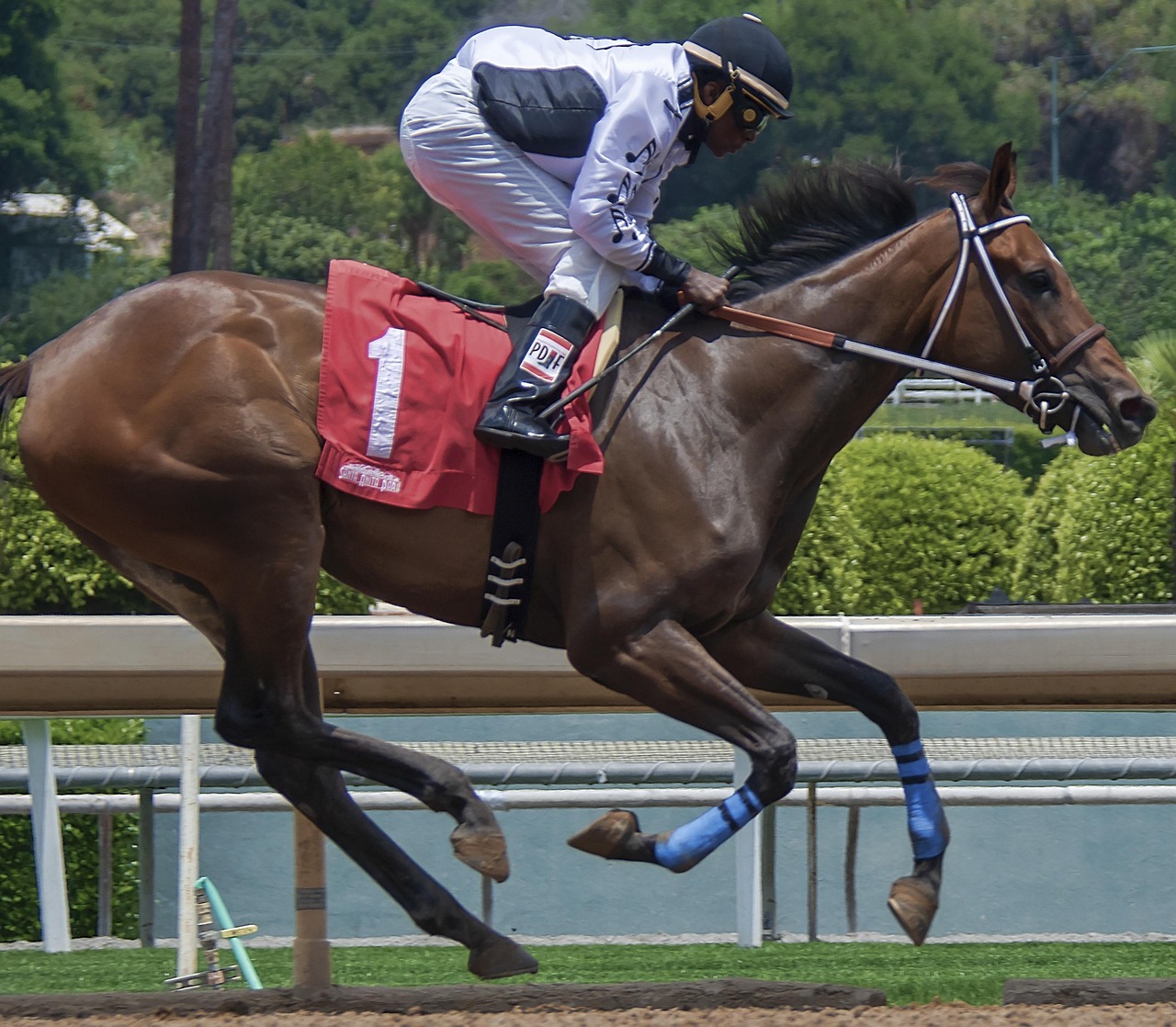
Gaming and Leisure Properties (NASDAQ: GLPI) is strategically expanding its footprint in the high-growth sector of racino real estate through the acquisition of Sunland Park Racetrack & Casino in southern New Mexico. This $183.75 million deal underscores the increasing value of integrated gaming and racing venues, securing a robust asset at an 8.2% cap rate.

Casino Real Estate
Image by PublicDomainPictures from Pixabay
Sunland Park Racetrack & Casino in southern New Mexico.

With this acquisition, GLPI positions itself strategically near the New Mexico/Texas border, a region with substantial growth potential. This deal also features a 2% annual rent escalator, promising to be immediately beneficial to its adjusted funds from operations (AFFO), a key performance indicator for evaluating a REIT’s financial health.

Originally opened in 1959, Sunland Park spans around 157 acres and boasts 738 slot machines and 12 electronic gaming tables, all within its 25,000 square foot gaming floor. The facility is home to both Thoroughbred and Quarter Horse racing, with a one-mile racetrack and a 733-seat stadium. Additional amenities include a 600-person ballroom, a simulcast wagering area, and a 78-room hotel, with plenty of underutilized land offering significant opportunities for expansion.

Strategic Expansion with Strategic Gaming

This acquisition marks the fourth property managed by Strategic Gaming that has been bought by GLPI, further solidifying their relationship. Strategic Gaming is noted for its operational prowess in regional gaming markets.

Previously, in May 2024, GLPI agreed to purchase property assets of Baldini’s Casino in Sparks, Nevada, and two venues in South Dakota totaling $105 million. This reflects GLPI’s ongoing commitment to expanding its footprint in strategically advantageous locations.

Geographical and Competitive Advantages

Sunland Park also presents geographical advantages, located within the Borderplex Region, which encompasses El Paso, Texas, and Las Cruces, New Mexico. This area features a sizable adult population of approximately 2 million, coupled with an increasing median household income. Notably, the racetrack faces limited competition, with the closest rival situated over 20 miles away and no new commercial casinos planned within a 550-mile radius.

GLPI’s Strategic Focus on Non-Mainstream Markets

This acquisition aligns with Gaming and Leisure’s strategy of focusing on less competitive markets rather than venturing into the saturated Las Vegas Strip. For instance, in September, the company secured a financing deal worth $225 million in collaboration with Caesars Entertainment, showcasing its strategic approach to financing and long-term partnerships.

Furthermore, they entered into a $735 million sale-leaseback agreement for the Twin River Lincoln Casino Resort in Lincoln, Rhode Island, underscoring their preference for operational flexibility and strategic property acquisitions in the gaming industry.

Conclusion

The purchase of Sunland Park Racetrack & Casino by Gaming and Leisure Properties represents a significant move into an area rich with potential. With its promising amenities and advantageous location in a growing market, this acquisition is expected to yield fruitful results and further enhance GLPI’s portfolio.

Key Takeaways:

  • Acquisition price: $183.75 million with a cap rate of 8.2%
  • Located in New Mexico-Texas border region
  • Open since 1959, with expansion opportunities
  • Strategic relationship with Strategic Gaming enhanced
  • Focusing on less competitive markets aligns with GLPI’s strategic vision

In summary, Gaming and Leisure Properties’ strategic acquisition of Sunland Park Racetrack & Casino is poised to strengthen its market position while offering opportunities for expansion in the New Mexico gaming landscape.

Las Vegas Casinos Guide: From Sphere Concerts to Zac’s Expansion, Rod Stewart, and Doja Cat | 10BET

Las Vegas Casinos & Entertainment News: Zac’s Sphere Expands, Rod Stewart, Doja Cat and More

Las Vegas is buzzing with excitement as several major artists announce new dates and shows at iconic venues, providing the perfect soundtrack to the high-energy atmosphere found within the worlds most famous Las Vegas casinos.

Major Updates from the Vegas Music Scene

  • Zac Brown Band Adds More Dates
  • Rod Stewart Continues Residency at Caesars Palace
  • Doja Cat Prepares for a Vegas Adventure in 2026

Zac Brown Band Expands Sphere Residency

The Zac Brown Band has announced two new dates for their residency at the Las Vegas Sphere, bringing the total to eight shows. Their first four performances sold out quickly, reflecting the band’s immense popularity. This summer, they captivated a staggering 110,000 fans at Truist Park in Atlanta, setting a record!

athlete sports
Image by Engin_Akyurt from Pixabay

Tickets for the newly added shows on January 16 and 17 will be available to the public starting October 9, with a pre-sale using the code SPHERE on October 8. Fans are advised to mark their calendars!

A Timeless Performer: Rod Stewart

Rod Stewart is extending his residency, titled “The Encore Shows,” at Caesars Palace. Following his memorable 200th show on March 12, he announced six more performances during the summer, right after his 81st birthday in May.

“Returning to this iconic theatre always fills me with excitement,” Stewart remarked. Tickets will go on sale to the public on October 3, with fan presales already underway.

Live music
Image by Pexels from Pixabay

Doja Cat’s Las Vegas Plans for 2026

Doja Cat, known for her energetic performances, has revealed plans to perform at T-Mobile Arena on October 31, 2026. While a year’s notice might seem a bit unconventional, her fans are surely eager for her return!

General sales for tickets begin on October 10, and presale information can be accessed via Ticketmaster.

Live music
Image by Pexels from Pixabay

More Music News in Las Vegas

The excitement doesn’t end there! Here’s a quick rundown of upcoming performances and events:

  • Nine Inch Nails are set to return to the MGM Grand Garden Arena on March 7, 2026. Tickets available on October 8 via AXS.com.
  • Collective Soul will perform at the Venetian Theatre on February 4, 6, and 7, with tickets starting on October 3 via Ticketmaster.
  • The Neon City Festival, an exciting counter-event to the Strip’s F1 Vegas Grand Prix, will feature artists like Good Charlotte and Deadmau5 from November 21-23. Admission is free!

Las Vegas continues to be the entertainment capital of the world, with a lineup that ensures every music lover has an unforgettable experience. Don’t miss out on these incredible shows!

Conclusion

With an electrifying atmosphere, Las Vegas is solidifying itself as a hub for musical performances. The excitement surrounding the Zac Brown Band, Rod Stewart, and Doja Cat showcases the vibrant entertainment scene here. Mark your calendars and get ready to be part of the action!

Las Vegas Casinos Dining Update: Bellagio’s Yacht Closure and Top Local Spots | 10BET

Las Vegas Casinos Dining News: Bellagio’s Yacht and Bar Code Closures and the Search for the USA’s Best Coffee Shop

As the allure of Las Vegas casinos continues to evolve, the iconic Bellagio is preparing to launch a breathtaking new dining experience that blends high-stakes glamour with nautical luxury. A magnificent 33-foot yacht will soon provide guests with picturesque rides around the stunning fountains, adding a new layer of excitement to the citys premier gaming landscape. This spectacular addition will be housed at the Carbone Riviera, which is set to welcome diners this fall.

What to Expect at the Bellagio

  • The yacht will be lowered into the fountain’s lake.: The yacht, costing an impressive $3-$4 million, needs to be lowered by crane due to the absence of a boat ramp.
  • Exclusive boating experience: The yacht will provide an exclusive experience, offering rides while the fountains perform their iconic dances.
  • Limited dining options: Despite the grandeur, expectations should be managed, as social media hype has led to speculation about lavish dining onboard, which is not promised by MGM Resorts.
Luxury dining
Image by Beeki from Pixabay
This is what $3-$4 million will buy you in Riva “Anniversario” model yachts. (Image source: yachtstyle.com)

As the yacht’s launch approaches, it’s important to temper expectations as photos circulating on social media showcase extravagant setups that may not be feasible for this new addition.

Carbone Riviera Takes Centre Stage

The Carbone Riviera restaurant, located in the former Picasso space, aims to elevate the dining experience on the Las Vegas Strip. Expected to feature a menu highlighting Italian dishes, it promises to be a hot spot for locals and tourists alike.

Java Las Vegas: A Coffee Lover’s Paradise

In a different yet equally as exciting vein of news, Yelp has awarded the title of best coffee shop in the United States to Yaw Farm Coffee Roasters, located at 7034 W. Charleston Blvd. in Las Vegas. This local gem has maintained an impressive 96% five-star rating from its patrons for three consecutive years, making it a must-visit for coffee lovers.

Friendly Competition: The Dining Landscape

In additions and closures, Bar Code Burgers has recently called it quits after a decade of serving customers. Despite receiving numerous accolades, including multiple wins for Best Burger at the Vegas Weekly’s Best of Vegas Awards, the restaurant has unfortunately succumbed to the competitive landscape of Las Vegas eateries.

Other Dining Developments

  • Hearthstone Kitchen & Cellar: set to make a return to the Las Vegas dining scene, replacing the recently closed Leoncito at Red Rock Resort.
  • Morimoto: at MGM Grand is temporarily closing for renovations and is set to reopen with an updated design and menu.
  • Wynn Resorts: Expanding overseas, Wynn is bringing their famous Delilah restaurant to Al Marjan Island in the UAE, featuring 22 dining options upon its opening.

Health Concerns on the Strip

In a more concerning turn of events, Los Tacos has been shut down following a health inspection that revealed multiple violations, including improper food storage and maintenance issues. Local health inspectors emphasized the importance of adherence to safety regulations to ensure customer well-being.

Summary

This week in Vegas dining features some exciting developments, including the addition of a luxurious yacht at Bellagio, the closure of a beloved burger joint, and the esteemed ranking of a local coffee shop. With new dining ventures and the importance of health safety measures, the Las Vegas Strip continues its dynamic evolution in the culinary world.

$214 Million Damage Claim: How the Ecuador Ruling Impacts the Global Casino Industry | 10BET

Ecuador vs. Nevada Firm: How This $214 Million Damages Claim Impacts the Global Casino Industry

  • Ecuador successfully defeated a $214M casino damages claim in arbitration
  • Tribunal ruled that Lynton Trading lacked US economic activity
  • A casino referendum might revive the gambling industry under a strict taxation framework

The volatility of legal landscapes remains a constant challenge within the global casino industry, as seen when a Nevada-based company attempted to make a significant claim of $214 million against Ecuador. Following the countrys decision to ban all gambling activities nearly 15 years ago, Lynton Trading sought massive damages for lost opportunities. Ultimately, the firm failed to clinch the compensation it sought, highlighting the immense financial risks companies face when navigating international regulatory shifts.

Casino regulation
Image by StockSnap from Pixabay

Lynton Trading Ltd. had investments in Ecuador’s casino sector prior to a 2011 national referendum that prohibited all gambling. Before the ban, approximately 160 gambling establishments were operational, employing over 25,000 people.

Post the referendum, operators were given merely six months to wrap up their businesses and exit the market.

No Business in the US

Lynton argued that the abrupt shutdown eradicated its investments, claiming that its gambling equipment was seized by the National Police. In 2022, the company pursued international arbitration, asserting that Ecuador’s ban breached a US-Ecuador investment treaty.

However, an arbitration panel in The Hague determined that Lynton had insufficient economic activity in the US, thus invalidating its ability to invoke the treaty and throwing out its claim on jurisdictional grounds.

Although Lynton was registered in Nevada, documents from the Panama Papers leak revealed that it is controlled by Luis Fuentealba Meier, a Chilean casino businessman, along with a Spanish national, Roberto Cuadrado Rodríguez, based in Ecuador.

Meier and his brother own the Gran Casino de Talca in Chile and have business interests across Peru and Argentina through their firm, Meier Corp. Their lack of major investment activities in the United States contributed to the tribunal’s decision.

Moreover, aside from dismissing jurisdiction, the tribunal mandated Lynton to cover 80% of Ecuador’s arbitration costs, amounting to roughly $1.4 million, as stated by Ecuador’s attorney general.

Are Casinos Coming Back?

This ruling emerges during discussions among Ecuador’s leadership regarding the possible re-examination of the casino ban. In September, Ecuador’s Constitutional Court declined a proposed referendum aimed at permitting casino operations in luxury hotels. However, recent modifications to the referendum’s language have opened the way for a vote, now scheduled for November 16.

President Daniel Noboa is keen to investigate whether land-based casinos, operating under a 25% tax rate, could aid in funding educational programs and combating child malnourishment while also bolstering the tourism sector.

This scenario paints a dynamic picture of Ecuador’s evolving stance on gambling and potential avenues for economic development through taxation and job creation.

Key Points to Note:

  • The $214 million claim was rejected entirely based on jurisdiction requirements.
  • Ecuador is exploring revising its gambling laws, with a referendum potentially changing the landscape of the industry.
  • The impact of the ban and arbitration outcomes may influence similar jurisdictions and their respective gambling frameworks.

In conclusion, the case highlights the delicate balance between legal frameworks, economic activity, and regulatory changes in the gambling sector. As Ecuador deliberates its future in the gambling industry, the international community watches closely, marking this case as a pivotal moment in the global discussion around gambling laws.

From Skydiving Scares to Las Vegas Casinos: A Tourists Wild Vegas Adventure | 10BET

From Skydiving Survival to High-Stakes Thrills: What to Do After Your Vegas Desert Adventure at Las Vegas Casinos

While many travelers visit Nevada to experience the high-stakes thrills of Las Vegas casinos, some seek an even more intense adrenaline rush through extreme sports. However, a 24-year-old tourist from the UK recently faced a terrifying reality when a tandem parachute dive turned catastrophic after both the main and reserve parachutes failed. This shocking incident, occurring far from the bright lights of the gaming floor, has prompted a formal investigation by the FAA.

A Lucky Escape or a Terrifying Mishap?

Mitchell Deakin, a tourist from Blackpool, UK, is recovering from significant injuries following a tandem skydive that went horribly wrong. He experienced an 11,000-foot drop due to parachute failure while flying over the picturesque desert landscape near Las Vegas.

On September 17, Deakin, with limited skydiving experience, sought out the adventure of a lifetime, signing up for a tandem jump with a private company at a local airport. Unfortunately, his dream vacation quickly turned into a nightmare.

Skydiving accident
Image by WFranz from Pixabay

The Incident

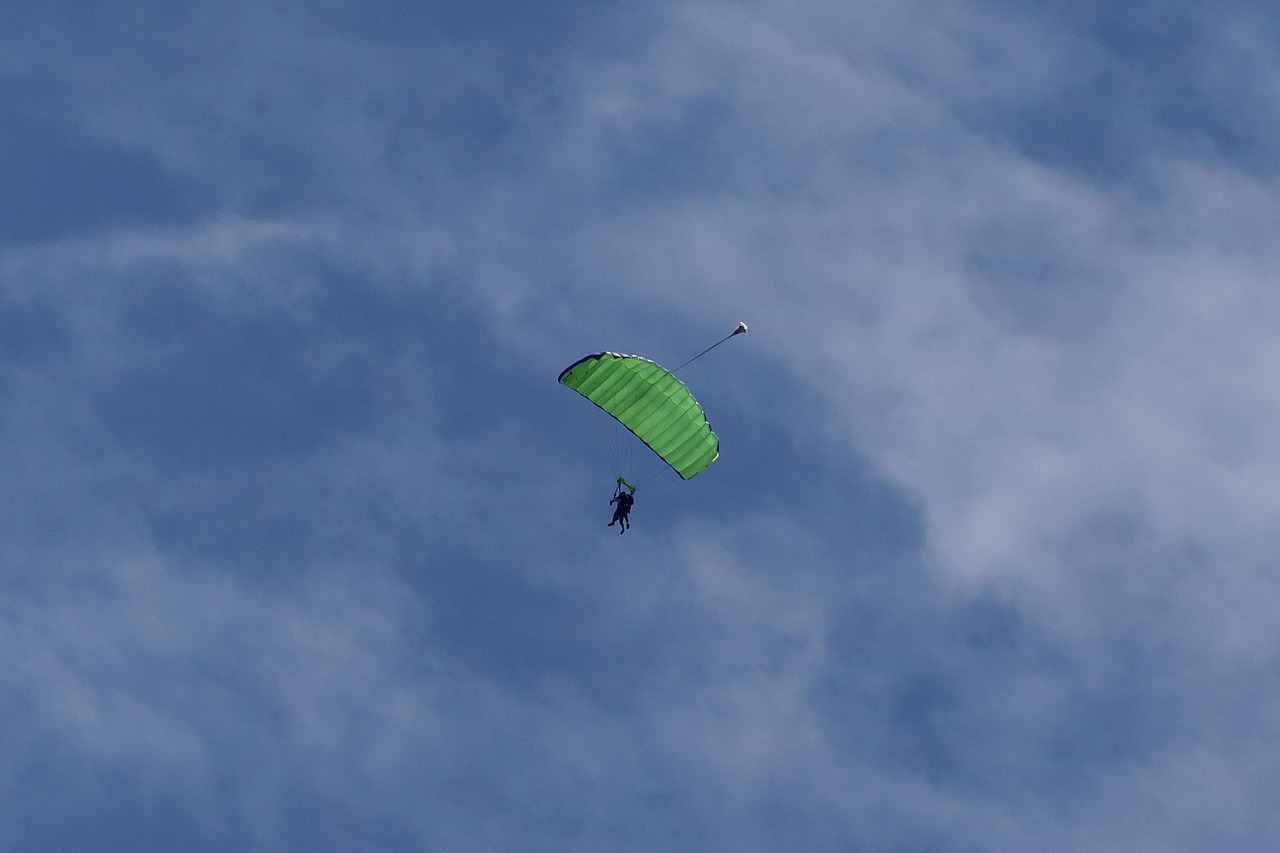
While in freefall, both the primary and backup parachutes failed, leaving Deakin and his instructor, Jiron Arcos Ponce, to plummet at speeds of 35 to 45 mph. Emergency services quickly airlifted them to the trauma unit at the University Medical Center in Las Vegas. The situation remained critical upon arrival.

Injuries Sustained

  • Fractured pelvis
  • Broken ribs
  • Perforated lung and kidney

Medical personnel had to perform surgery on Deakin, inserting metal plates to prevent further collapse of his pelvis. They also drained fluid from his injured lung, highlighting the severity of his condition. According to updates from family, the recovery process is progressing, and Deakin is now able to walk with assistance.

Skydiving accident
Image by Kollinger from Pixabay

Background and Investigation

Deakin was reportedly in Las Vegas on what friends described as a dream getaway, marked by adrenaline-filled experiences. Sadly, this skydive will not be remembered as expected.

Authorities, including the Federal Aviation Administration (FAA), are now looking into the circumstances surrounding the parachute failures. The investigation aims to determine whether any safety regulations were not adhered to during the packing of the parachutes.

All skydivers in the US must sign a waiver to participate, as the risks are explicitly detailed, typically including reminders regarding potential injury or death.

What This Means for Skydiving Safety

This incident raises serious questions about the procedures in place for skydiving operations. A few critical points to consider include:

  • Proper training and certification of instructors.
  • Regular checks and maintenance of equipment.
  • Clear communication of safety protocols to all jumpers.
  • Incident reporting mechanisms to maintain safety standards across operations.

As investigations unfold, the findings could indeed lead to changes in regulations to ensure future safety for thrill-seekers eager to experience the freedom of skydiving.

Conclusion

Mitchell Deakin’s survival of such a fall is nothing short of miraculous, but it also serves as a stark reminder of the inherent risks involved in extreme sports. Skydiving can provide exhilarating experiences, but the safety of participants must always come first.

As we await further developments regarding the FAA investigation, our thoughts are with Deakin as he continues his recovery. This incident may lead to enhanced protocols in the industry, ensuring that safety is prioritised above all else.