
Tribal Casino Events: Jamul Casino Resort Marks Its Tenth Anniversary
Tribal Casino Events: Jamul Casino Resort Marks Its Tenth Anniversary
tribal casino events is the focus of this original U.S. casino-news briefing after Jamul Casino Resort Celebrates 10th Anniversary - Indian Gaming reported the development. The article separates verified source facts from analysis and practical context; it is not a legal conclusion, investment recommendation, betting tip, or promise of a result.
What the source reports
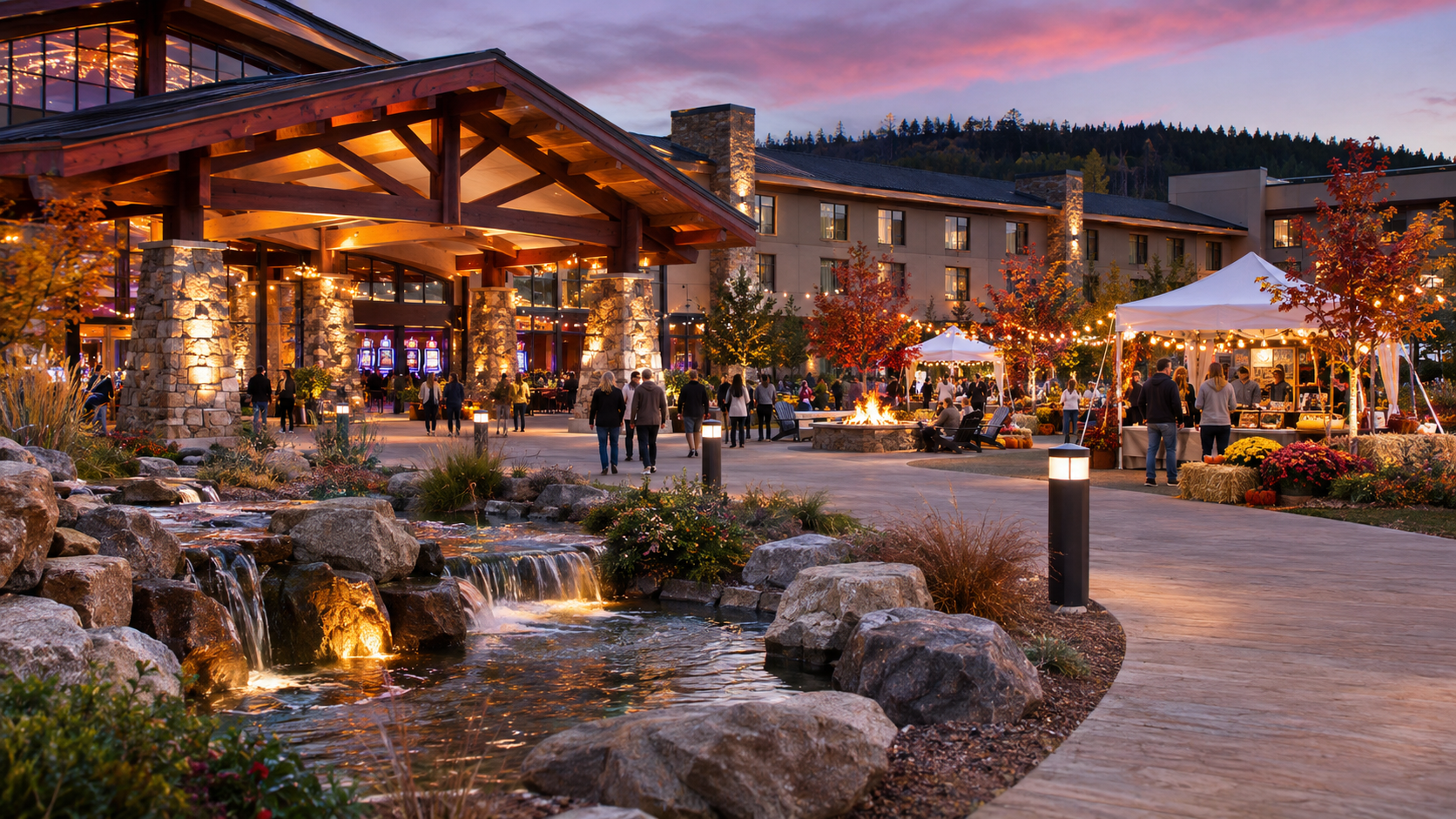
Indian Gaming reports that Jamul Casino Resort is celebrating its tenth anniversary. Anniversary events are part of destination hospitality and community engagement, and they can show how a tribal casino positions its resort beyond the gaming floor without implying anything about individual gambling outcomes. The source page was published on Thu, 19 Nov 2026 10:59:00 +0000. Readers should open the original report for its complete wording, named documents, later corrections, and updates that cannot be reproduced in a short briefing.
Why tribal casino events matters
Anniversary programming can support a resort’s relationship with guests, employees, and its community, but it does not change the odds or risks of casino games. Event details may change with scheduling and capacity. Readers should confirm current information with the property and participate only within their own budget and limits.
U.S. casino and gambling markets do not operate under one nationwide rulebook. State law, tribal sovereignty, licensing, court decisions, tax treatment, advertising standards, technology, and consumer-protection requirements can all affect how a development is understood. A result from one property, state, company, regulator, or court proceeding should not automatically be applied to every operator or customer.
How to read the claims and numbers
Readers should identify what is directly reported, what is attributed to a company, analyst, regulator, or public official, and what remains disputed or incomplete. Revenue is not the same as profit. A projection is not a certainty. A license is not proof of future performance. A proposal is not a completed facility. An allegation or threatened lawsuit is not a judgment. A promotion is not a guaranteed return. Those distinctions keep a fast-moving news item useful without overstating it.
Related search phrases include tribal casino events, Jamul Casino Resort anniversary, tribal casino entertainment. These phrases describe neighboring topics for navigation; they do not add new claims to the source report. Search volume does not establish legality, safety, value, or the likelihood of a favorable outcome.
What to watch next
Follow-up reporting should check official filings, regulator notices, court dockets, property announcements, and later source updates. Where a story involves a proposal, market figure, legal dispute, opening, product, or promotion, the next meaningful event may be a hearing, approval, settlement, updated report, installation, launch, or correction. Readers should confirm dates, terms, age limits, location restrictions, current availability, and any conditions before making travel, financial, or wagering decisions.
Related reading and official context
For related reading on this destination site, see Casino Arizona CEO Discusses Resort Operations and Tribal Leadership, Tribal Casino CFO: Seneca Resorts Names Wade Howk to Lead Finance, Kalispel Casino Renaming: Qlispé Identity Marks a New Chapter for the Property. These links are provided for context and are not endorsements of an operator, product, promotion, investment, or wager. Official context is available from National Indian Gaming Commission and American Gaming Association.
FAQ
Does this story change gambling rules across the United States?
No. Its effect depends on the jurisdiction, organization, product, and current official rules. A development in one state, tribal market, company, property, or court case does not automatically apply nationwide.
What should readers verify before acting on the news?
Check the original source, publication date, relevant regulator or organization, current terms, and whether the information is a proposal, estimate, allegation, award, license, scheduled event, or completed action. For financial or legal questions, use current primary documents and qualified professional advice.
How can gambling stay recreational?
Only participate where legal, set a budget and time limit before starting, avoid chasing losses, and never use money needed for essentials. If gambling becomes difficult to control or affects finances, relationships, or wellbeing, take a break and seek confidential help from a qualified support service.
Responsible gambling: Gambling involves risk and is not a way to make guaranteed income. Only participate where legal, use money you can afford to lose, set limits in advance, avoid chasing losses, and seek qualified support if gambling affects your finances, relationships, or wellbeing.
Original source: Jamul Casino Resort Celebrates 10th Anniversary - Indian Gaming from Indian Gaming. Authoritative supporting links: National Indian Gaming Commission and American Gaming Association.