Experience the Magic of AI-Enhanced Wizard of Oz at the Sphere and Discover the Best Las Vegas Casinos
The iconic Vegas Sphere is revolutionizing entertainment through its collaboration with Google AI, bringing a groundbreaking version of the celebrated 1939 film “The Wizard of Oz” to its massive 160,000 square-foot screen. This immersive spectacle offers a high-tech alternative for those looking to escape the traditional gaming floors of Las Vegas casinos, providing a cinematic experience that merges classic storytelling with cutting-edge technology. The premiere is set for August 28, promising a visual journey that complements the vibrant energy of the city.
In this unique presentation, instead of merely showcasing characters in close-ups, the film will display the beloved characters such as Dorothy, the Scarecrow, Tin Man, and the Cowardly Lion together on the screen, creating a theatrical ambiance that makes it feel as though they are sharing the stage in a live performance.
Innovative Technology Behind the Scenes
To enhance the film’s original low resolution to a stunning 16K, AI technology is being employed to fill in missing pixels, extend backgrounds, and digitally resurrect characters that never appeared together on screen before. The magnitude of data processed for this project is staggering – equivalent to 27 years of unbroken Netflix viewing!
The collaborative effort involves thousands of creators, coders, and VFX artists working at Google Cloud and Google DeepMind, utilizing advanced AI models like Gemini, Veo 2, and Imagen 3 to breathe new life into this timeless classic.
The Sphere Experience: A Total Immersion
The compromised $80 million renovation of the Vegas Sphere is designed not just for visuals but also to enthrall the senses. Featuring:
Spatial Audio: Surrounding the audience with sound for an immersive environment.
Climate Control: Adjusting temperature to match the theme of the scenes.
Scent Integration: Evoking memories and emotions through carefully selected fragrances.
Haptic Seating: Providing physical feedback that enhances the action on screen.
What’s Changed in the Classic?
The running time of this version of “The Wizard of Oz” will be reduced from 101 minutes to 80 minutes to allow for more frequent showings. Ticket prices and sale dates have yet to be disclosed.
Conclusion
This innovative reimagining of “The Wizard of Oz” at the Vegas Sphere is sure to attract both fans of the classic film and new audiences eager to witness the future of cinema. With cutting-edge technology and a commitment to delivering an unforgettable experience, this collaboration between the Sphere and Google AI is set to redefine how stories are told on screen.
https://lakepalace.blueseo.co.za/wp-content/uploads/2026/04/pixabay-3731566-1776412314029.jpg8531280adminhttps://lakepalace.blueseo.co.za/wp-content/uploads/2026/07/lakepalace-logo.pngadmin2026-08-07 12:01:012026-06-23 12:25:54From the Magic of the Sphere to the Thrill of Las Vegas Casinos | 10BET
New Jersey racetrack casinos miss 2026 ballot deadline, delaying a referendum
The proposal for New Jersey racetrack casinos will not go before voters in November 2026 after supporters missed the deadline to qualify for the ballot. The measure would have asked voters to consider full-scale casinos at the Meadowlands Racetrack and Monmouth Park Racetrack, creating a new northern market alongside Atlantic City.
The delay keeps the policy debate alive without changing the current casino map. The earliest possible referendum is now November 2027, giving both supporters and opponents more time to make their economic and community arguments.
At a glance
What the proposal would have changed
Why Atlantic City is central to the debate
The next opportunity
What the proposal would have changed
Supporters said new casinos near New York City could prevent gambling revenue from flowing across the border as New York adds three casinos. Meadowlands owner Jeff Gural and Monmouth Park owner Dennis Drazin backed the concept, arguing that location matters when customers choose where to spend a day or evening.
Why Atlantic City is central to the debate
Opponents focused on the nine existing Atlantic City casinos. They warned that a northern expansion could divide New Jersey’s customer base and make it harder for Atlantic City properties to protect jobs, investment and tax contributions. That concern is not a simple anti-growth position; it reflects the possibility that a new property could shift existing spending rather than create entirely new demand.
The next opportunity
The missed deadline means the November 2026 election will not decide the question. A new effort would need to meet a later schedule and present ballot language that can win support across different regions. During the delay, operators can watch New York’s casino development and assess whether visitor patterns support the proposal’s central argument.
Supporters said new casinos near New York City could prevent gambling revenue from flowing across the border as New York adds three casinos. Meadowlands owner Jeff Gural and Monmouth Park owner Dennis Drazin backed the concept, arguing that location matters when customers choose where to spend a day or evening. For background, read Tribal prediction-market policy and a Senate hearing.
Opponents focused on the nine existing Atlantic City casinos. They warned that a northern expansion could divide New Jersey’s customer base and make it harder for Atlantic City properties to protect jobs, investment and tax contributions. That concern is not a simple anti-growth position; it reflects the possibility that a new property could shift existing spending rather than create entirely new demand. Related coverage on this site examines The Utah Kalshi ruling.
The missed deadline means the November 2026 election will not decide the question. A new effort would need to meet a later schedule and present ballot language that can win support across different regions. During the delay, operators can watch New York’s casino development and assess whether visitor patterns support the proposal’s central argument. Readers can also compare the issue with Ohio online-gambling expansion.
For the public, the issue is about more than another gaming floor. Casino policy affects traffic, employment, public revenue, tourism and problem-gambling risk. Any future proposal should explain how those effects would be managed and should treat gambling as entertainment, not a financial solution.
The facts above are limited to the verified source report and the supporting links named here. Readers should distinguish reported developments from future possibilities, and check official guidance when a rule, license or consumer decision affects them directly. For official context, consult New Jersey Casino Control Commission and New Jersey elections information.
Frequently asked questions
What is the main takeaway?
The delay keeps the policy debate alive without changing the current casino map. The earliest possible referendum is now November 2027, giving both supporters and opponents more time to make their economic and community arguments. The source report describes the current development; it does not promise a particular commercial or consumer outcome.
What should customers remember?
Check the applicable rules, understand the product or game before participating and keep gambling within a fixed entertainment budget. Never use borrowed money to chase a result.
Responsible gambling note
Gambling should be treated as entertainment, not a way to make money or solve financial problems. Set limits before you play, take breaks and seek independent support if gambling stops feeling manageable.
https://lakepalace.blueseo.co.za/wp-content/uploads/2026/08/new-jersey-racetrack-casinos-2026-08-07-1.png9411672adminhttps://lakepalace.blueseo.co.za/wp-content/uploads/2026/07/lakepalace-logo.pngadmin2026-08-07 04:49:082026-08-07 04:49:08New Jersey racetrack casinos miss 2026 ballot deadline, delaying a referendum
tribal prediction market policy is the focus of this US casino-news update after Indian Gaming: Tribal Leaders Urge Senate Action on Prediction Markets reported a development in the American gambling, gaming, lottery, or sports-wagering market. The facts are recent, but the practical meaning depends on the jurisdiction, the status of the relevant process, and what has actually been confirmed.
What the source reported
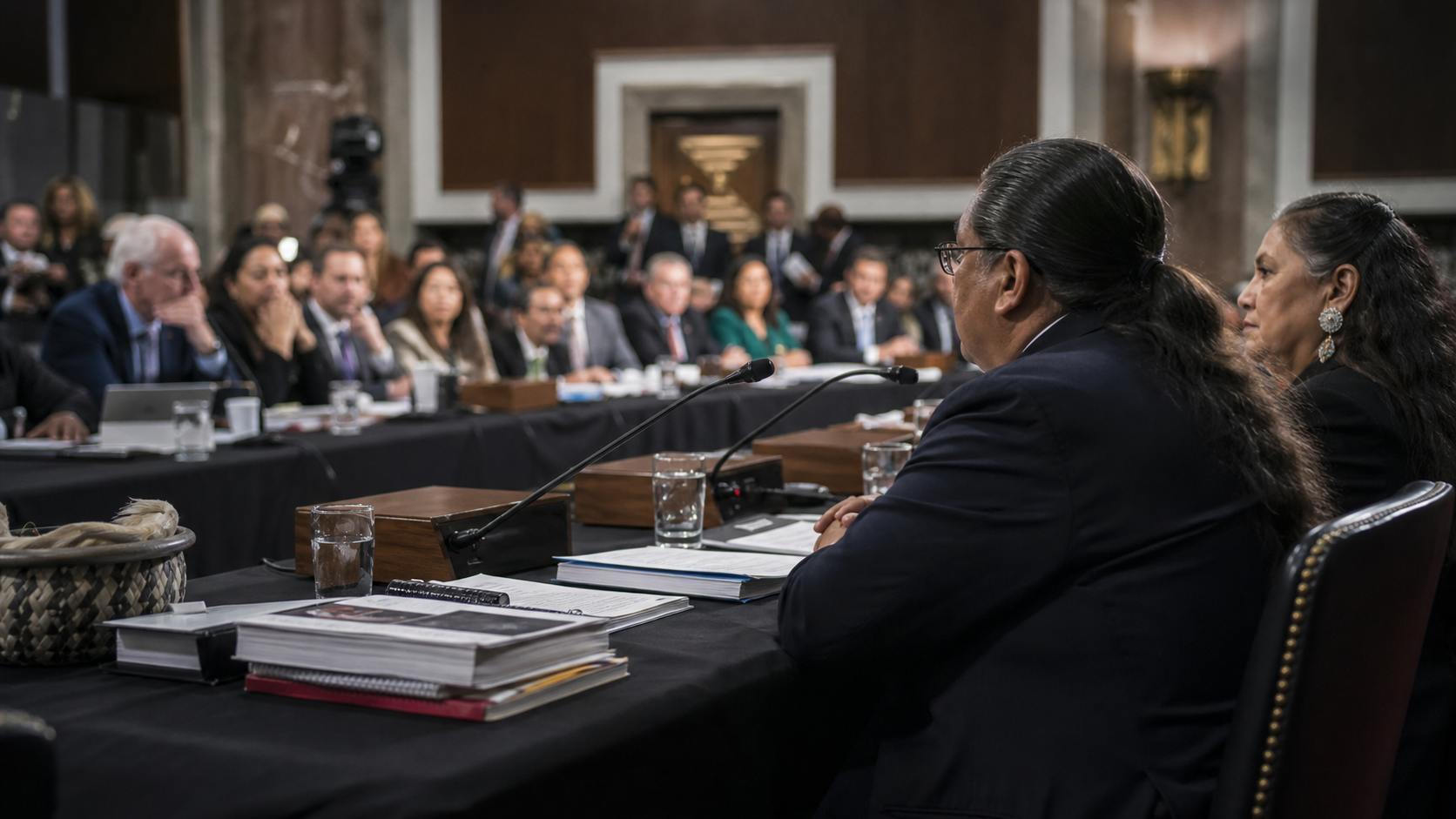
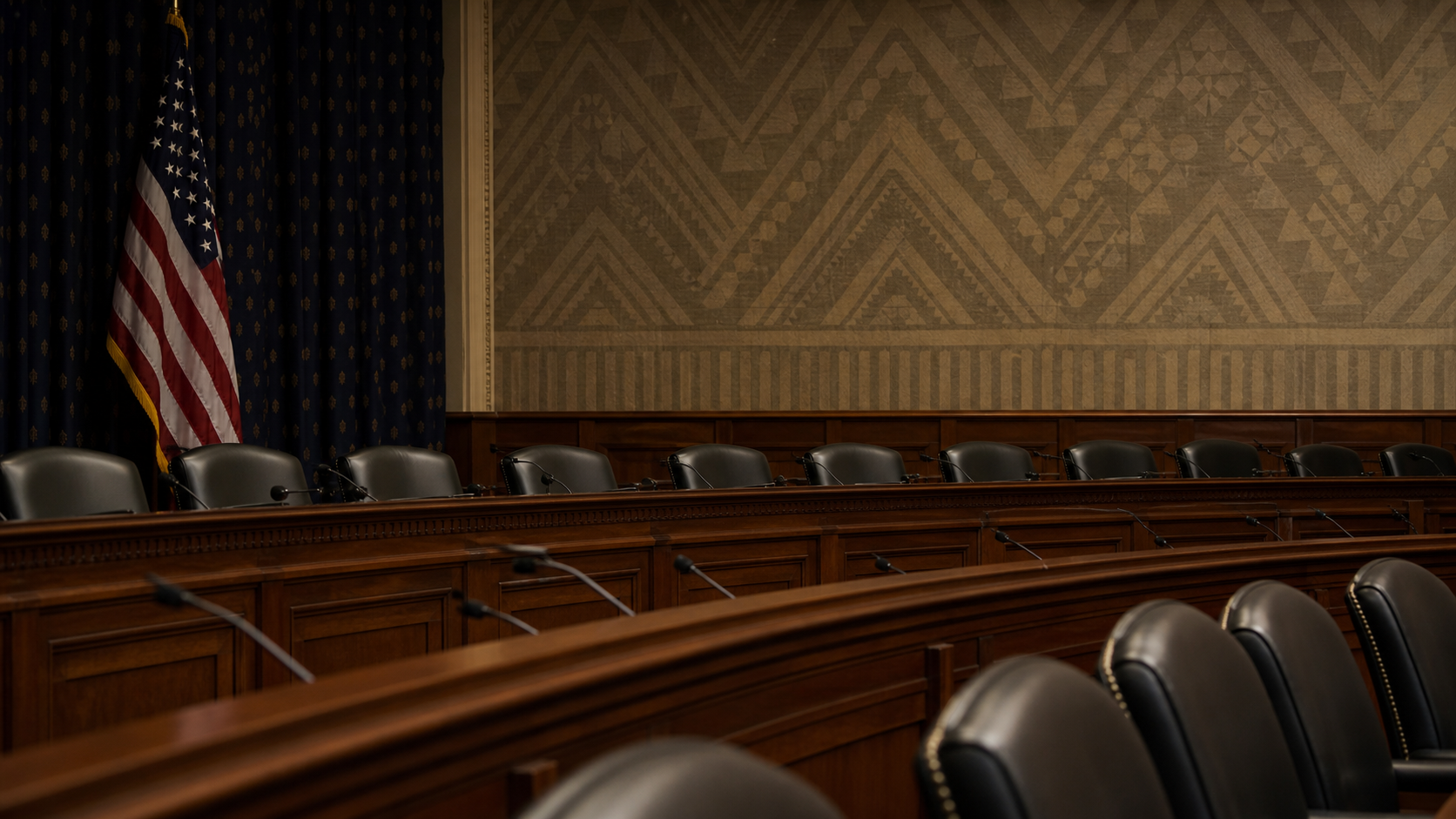
Indian Gaming reported that Indian Gaming Association vice chairman Tehassi Hill testified before the Senate Committee on Indian Affairs at a bipartisan roundtable about prediction markets. The panel discussed the growth of prediction markets and their implications for tribal governments, tribal gaming, state regulatory authority, and consumer protection. Hill and other tribal representatives argued that sports and casino-style wagering offered outside established frameworks can threaten tribal revenues, sovereignty, and safeguards. The source said tribal governments invest more than $450 million annually in gaming regulation and employ more than 6,000 gaming regulators.
The original report is the starting point for this article, not a substitute for an official filing, court order, regulator notice, or final company announcement. A revenue figure records a period that has ended, a proposal can change before approval, and a lawsuit or settlement must be described with care. Readers should keep those categories separate when sharing or acting on the news.
Why it matters for the US market
Tribal prediction market policy matters because tribal gaming is connected to government services, sovereignty, federal law, and negotiated relationships with states. The hearing reflects a policy position, not a final congressional decision or court ruling. It also shows why product labels alone may not resolve whether a sports contract is treated as a financial instrument, gambling product, or regulated gaming activity.
The United States is not one uniform casino or betting market. State laws, tribal arrangements, licensing conditions, taxes, age rules, advertising standards, privacy duties, and product definitions differ. A story from Nevada, Wisconsin, Florida, Maryland, Indiana, or another state can have national interest while still producing local consequences. Checking the responsible regulator is often more useful than relying on a recycled headline.
There is also a customer-experience issue. New entertainment, sports events, technology, ownership changes, financial results, and community investments can make a market look exciting, but excitement is not the same as value. A promotion can have conditions, a new platform can have a delayed launch, and a large market can still produce losses. Customers should separate news from personal financial decisions.
What readers should watch next
Readers should follow committee materials, proposed legislation, agency statements, and tribal consultation. Consumers should distinguish testimony from enacted law, verify the legal status of any product in their state, and read consumer-protection and settlement disclosures. Responsible innovation includes transparent rules and safeguards, not only new market access.
For reliable follow-up, use the official sources below and look for dated updates rather than recycled headlines:
What is the main takeaway from this tribal prediction market policy story?
The main takeaway is that one news event needs context. Check what has actually been confirmed, which jurisdiction applies, and whether the next step is a filing, approval, hearing, opening, rollout, or follow-up report. Avoid turning a forecast, allegation, campaign position, or charitable announcement into a certainty.
Does this news mean customers should place a bet?
No. News can explain a market, but it is not personal financial advice and it cannot predict an individual result. Check legality, read the rules, and decide on a fixed entertainment budget before taking part.
Responsible gambling
Gambling involves risk and is not a way to make guaranteed income. Only participate where legal, set a budget and time limit before you begin, avoid chasing losses, and take breaks. If gambling is becoming difficult to control or is affecting your finances, relationships, or wellbeing, contact a qualified gambling-support service in your area.
David Portnoy on the Stock Market, Trump’s Economic Policies, and the Future of Online Gambling Stocks
Barstool Sports founder David Portnoy has shared his views during a volatile time for the stock market, expressing optimism that President Trump’s recent announcements aimed at stabilizing equity markets will provide a significant boost to online gambling stocks. As political shifts influence investor sentiment, Portnoys outlook suggests a potential turning point for the gaming sector and its associated equities.
In a discussion with CNN, Portnoy articulated his hope for a market rebound, contingent on clarity from Trump concerning the ongoing tariff situation, which has caused great uncertainty among investors.
Market Reactions to Political Decisions
Just hours after Portnoy’s remarks, Trump announced a 90-day pause on trade tariffs impacting various US trading partners, a move that analysts interpreted as potentially positive for the stock market. The news led to a surge in the S&P 500 by 9.52%, showcasing the market’s volatility influenced by political discourse.
Portnoy’s Financial Ups and Downs
Despite experiencing significant losses, with estimates suggesting he lost as much as $20 million, Portnoy maintains his support for Trump, valuing his forthright communication style.
Portnoy claims to have been heavily impacted by the drop in stock values, including a substantial stake in Penn Entertainment.
He remains hopeful about a market recovery, reflecting confidence in Trump’s ability to navigate economic challenges.
Portnoy’s Stock Portfolio Insights
In addition to his major investments in Penn Entertainment, Portnoy has been open about other stock holdings, including shares in DraftKings and Wynn Resorts, both of which saw notable increases following Trump’s economic announcements.
Conclusion
Portnoy’s reflections during these turbulent economic times highlight the interplay between politics and market performance. As investor sentiment remains sensitive to political decisions, the ongoing dialogue surrounding trade policies will be crucial for shaping future market stability.
Utah Kalshi ruling reinforces that prediction markets face state-law limits
Utah Kalshi ruling is back in focus for US gambling readers after Utah Judge: Sports Prediction Markets Can’t Soar Above State Law highlighted a development published on 2026-08-04. The underlying facts are specific to this story, but the broader market question is familiar: how should operators, regulators, investors, and everyday customers interpret change in a market where casino economics, wagering policy, technology, and consumer protection all move at different speeds?
What happened
Covers reported that a Utah judge rejected an effort connected to sports prediction markets to rise above state law, leaving the dispute within the state’s legal framework. The article’s headline and report emphasize that prediction-market products cannot simply assume federal or platform-level arguments override Utah restrictions. The ruling should be read as a case-specific development, not a nationwide answer to every prediction-market question.
Covers reported that a Utah judge rejected an effort connected to sports prediction markets to rise above state law, leaving the dispute within the state’s legal framework. The article’s headline and report emphasize that prediction-market products cannot simply assume federal or platform-level arguments override Utah restrictions. The ruling should be read as a case-specific development, not a nationwide answer to every prediction-market question.
The original report matters because it gives a dated source trail instead of rumor alone. In this case, the clearest takeaway is not simply the headline number or the headline conflict. It is the way the update fits into the current US casino and wagering landscape, where state-by-state rules, operator strategy, and consumer expectations can push the same type of news in very different directions.
Why Utah Kalshi ruling matters now
A Utah Kalshi ruling matters because state authority, federal claims, product classification, and sports-betting enforcement are increasingly overlapping. That makes Utah Kalshi ruling a useful lens for readers tracking sports prediction markets, Utah sports betting law, prediction market injunction. A single earnings update, regulatory move, or partnership discussion rarely changes the whole industry by itself, but it can reveal where capital, enforcement, and customer attention are heading next.
It also helps to keep the timeline straight. This source story is a July 2026 development, not a historical case study. That means readers should distinguish confirmed facts from follow-on speculation, especially where legislation, partnerships, or future revenue implications are concerned. In a fast-moving market, precision matters more than hype.
What operators, regulators, and consumers should watch
Operators will read this kind of news through margins, product mix, and long-term positioning. Regulators will focus on legality, disclosure, compliance, consumer harm, and whether the public record is clear enough to support oversight. Consumers should read it more practically: what product is actually being offered, which authority is relevant, what limits or rules apply, and whether the story changes the real-world experience of gambling customers today.
Readers should consult the actual court order and watch appeals or related actions in other states before assuming the Utah decision settles the national debate. For that reason, the most responsible interpretation is a measured one. Readers should expect more reporting, follow the relevant regulator or operator, and avoid treating an initial report as the final word when legal status, implementation, or commercial impact may still evolve.
That is especially true in casino and betting coverage because the stakes extend beyond revenue headlines. Product access, state legality, tax collections, responsible-gambling systems, and public trust all matter. A strong article keeps the original source visible, adds authoritative context, and avoids inventing claims that the source did not actually make.
FAQ
Does this update change gambling rules everywhere in the United States?
No. Casino and betting rules remain heavily shaped by state law, tribal compacts, licensing conditions, and regulator guidance. A development in one jurisdiction or company does not automatically apply nationwide.
What should readers verify before acting on this kind of news?
Check the original source, confirm the date, identify the relevant regulator or operator, and review any official terms or legislative text before treating the story as settled.
How can gambling stay recreational?
Set a budget before you play, avoid chasing losses, take breaks, and treat gambling as entertainment rather than income. If it stops feeling manageable, reach out to a qualified support service.
Responsible gambling: Gambling involves risk and is not a guaranteed way to make money. Only play where legal, use funds you can afford to lose, and seek help if gambling is affecting your finances, relationships, or wellbeing.
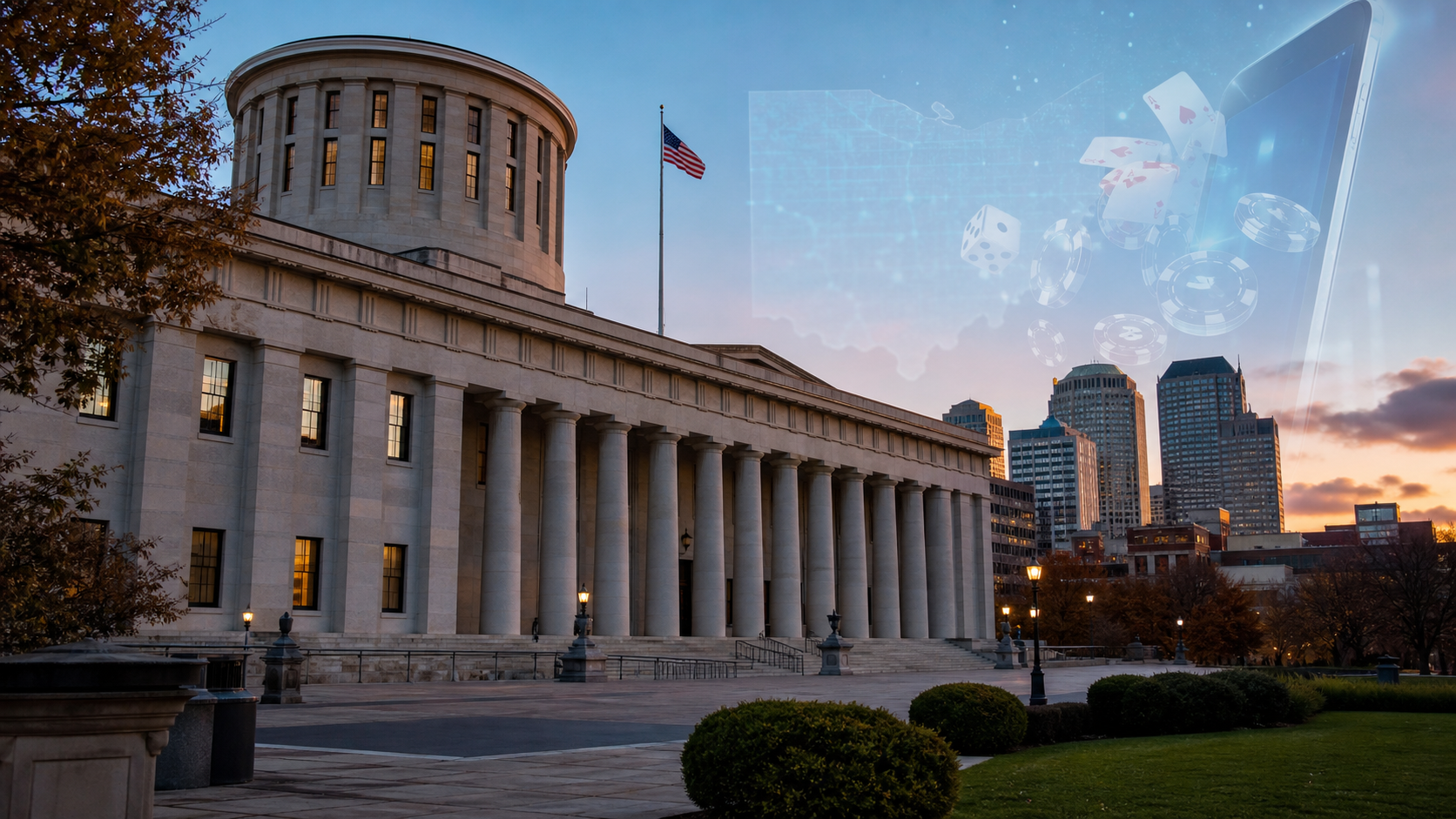
Ohio online gambling expansion is the focus of this US casino-news update after Covers — Betting News: Ohio Gubernatorial Candidates Split on Online Gambling Expansion reported a development in the American gambling, gaming, lottery, or sports-wagering market. The facts are recent, but the practical meaning depends on the jurisdiction, the status of the relevant process, and what has actually been confirmed.
What the source reported
Covers reported that candidates in Ohio’s gubernatorial race are divided over online gambling expansion. The debate sits alongside the state’s existing casino, sports-betting, and lottery framework and raises questions about whether new digital products would broaden consumer choice, increase tax revenue, or create additional enforcement and consumer-protection demands. The source page presents the disagreement as a policy and campaign issue rather than a final legislative decision.
The original report is the starting point for this article, not a substitute for an official filing, court order, regulator notice, or final company announcement. A revenue figure records a period that has ended, a proposal can change before approval, and a lawsuit or settlement must be described with care. Readers should keep those categories separate when sharing or acting on the news.
Why it matters for the US market
Campaign positions are not enacted law. Any Ohio online gambling expansion would require a defined product, legislative or regulatory action, licensing standards, tax rules, geolocation, age verification, advertising limits, and a plan for responsible-gambling services. Supporters and opponents can cite revenue or consumer-risk arguments, but the details matter more than a slogan about expansion.
The United States is not one uniform casino or betting market. State laws, tribal arrangements, licensing conditions, taxes, age rules, advertising standards, privacy duties, and product definitions differ. A story from Nevada, Ohio, New Jersey, California, Arkansas, or another state can have national interest while still producing local consequences. Checking the responsible regulator is often more useful than relying on a recycled headline.
There is also a customer-experience issue. New entertainment, sports events, technology, ownership changes, and financial results can make a market look exciting, but excitement is not the same as value. A promotion can have conditions, a new license can have a delayed launch, and a large market can still produce losses. Customers should separate news from personal financial decisions.
What readers should watch next
Readers should look for official bills, committee hearings, regulator notices, and final candidate platforms. Until lawmakers act, customers should follow the products currently authorized by the Ohio Casino Control Commission and avoid unlicensed sites. Policy speculation is not a reason to wager or to assume a future launch date.
For reliable follow-up, use the official sources below and look for dated updates rather than recycled headlines:
What is the main takeaway from this Ohio online gambling expansion story?
The main takeaway is that one news event needs context. Check what has actually been confirmed, which jurisdiction applies, and whether the next step is a filing, approval, hearing, opening, rollout, or follow-up report. Avoid turning a forecast, allegation, or campaign position into a certainty.
Does this news mean customers should place a bet?
No. News can explain a market, but it is not personal financial advice and it cannot predict an individual result. Check legality, read the rules, and decide on a fixed entertainment budget before taking part.
Responsible gambling
Gambling involves risk and is not a way to make guaranteed income. Only participate where legal, set a budget and time limit before you begin, avoid chasing losses, and take breaks. If gambling is becoming difficult to control or is affecting your finances, relationships, or wellbeing, contact a qualified gambling-support service in your area.
Tribal gaming prediction markets debate reaches Congress
tribal gaming prediction markets is the focus of this US casino-news update after Indian Gaming: IGA Chairman Testifies Against Prediction Markets reported a development involving the American gambling, sports, hospitality, or gaming-technology market. The report is specific, but it also raises a broader question about how operators, regulators, teams, and customers respond when a fast-moving story reaches a public audience.
What the source reported
The Indian Gaming Association reported that Chairman David Z. Bean testified before a House Agriculture subcommittee hearing on customer protections and market integrity in sports event prediction markets. Bean argued that sports wagering decisions should remain with tribal and state governments rather than federal financial regulators. He raised concerns about consumer protections, age checks, responsible-gaming safeguards, and the effect of prediction markets on tribal sovereignty and local gaming frameworks. The association also urged lawmakers to consider legislation addressing sports event contracts and to preserve the Indian Gaming Regulatory Act.
The original report is the starting point for this article, not a substitute for an official filing, court order, regulator notice, or final company announcement. The difference matters. An earnings report records a period that has ended, a proposal can change before approval, and an arrest or lawsuit describes allegations that still have to move through a legal process. Readers should keep those categories separate when sharing or acting on the news.
Why this matters for the US market
The tribal gaming prediction markets debate is about jurisdiction as much as product design. A contract may look like a financial instrument to one regulator and like sports wagering to another. Tribal governments also emphasize that gaming revenue supports public services and that local licensing systems include safeguards that may not apply in the same way to a federally offered product.
The United States is not one uniform casino or betting market. State laws, tribal arrangements, licensing conditions, taxes, age rules, advertising standards, and product definitions can differ substantially. A story about a Nevada resort, a Florida tribal property, an Iowa opening, a Maryland revenue report, or a New York partnership may have national interest while still producing local consequences. That is why a careful reader checks the jurisdiction and the organization with authority over the activity.
There is also a customer-experience issue. New entertainment, sports events, technology, and financial results can make a market look exciting, but excitement is not the same as value. Operators must balance demand with compliance, staffing, customer support, and transparent terms. Customers should make the same distinction: a new product or a large headline does not guarantee a win, a refund, a tax outcome, or a better offer.
What readers should watch next
The next steps are hearings, proposed legislation, agency action, and court decisions that clarify how sports event contracts interact with state and tribal law. Readers should follow the text of any bill or rule rather than a headline summary. No regulatory debate makes a wager safe or predictable; customers should check legality and set limits before participating.
For the most reliable follow-up, use the official sources below and look for dated updates rather than recycled headlines:
What is the main takeaway from this tribal gaming prediction markets story?
The main takeaway is that a single news event needs context. Check what has actually been confirmed, which jurisdiction applies, and whether the next step is a filing, approval, hearing, opening, rollout, or follow-up report. Avoid turning a forecast or allegation into a certainty.
Does this news mean customers should place a bet?
No. News can explain a market, but it is not personal financial advice and it cannot predict an individual result. Check legality, read the market rules, and decide on a fixed entertainment budget before taking part.
Responsible gambling
Gambling involves risk and is not a way to make guaranteed income. Only participate where legal, set a budget and time limit before you begin, avoid chasing losses, and take breaks. If gambling is becoming difficult to control or is affecting your finances, relationships, or wellbeing, contact a qualified gambling-support service in your area.
Community Groups Challenge Wynn Proposal Amid Growing Demand for Casino Development in New York City
The complexities of large-scale casino development in urban centers have come to the forefront as Wynn Resorts prepares to break ground on a new project in New York City. This ambitious phase of casino development has sparked significant opposition from local advocacy groups, most notably Protect the High Line, who raise concerns regarding the impact of such a massive gaming installation on the surrounding community.
In recent proceedings, the City Planning Commission (CPC) advanced an application to rezone the Western Rail Yards to accommodate the casino project. Protect the High Line has urged councilmember Erik Bottcher to oppose these zoning changes, emphasizing the need for community-driven discussions before any major alterations.
Concerns Over Zoning Changes
The project proposal includes new high-rise towers and a casino structure, stirring fears that such developments will disrupt the character of the High Line area. Protect the High Line asserts that these changes contradict previous commitments for more housing units and could impair views and sunlight experienced by local residents.
The Group’s Key Concerns:
Potential obstruction of views from the High Line park.
Reduction of promised housing units following a 2009 agreement.
Lack of transparent community engagement in decision-making processes.
As the timeline for the City Council to approve or reject these alterations approaches, Protect the High Line continues to rally community members to voice their opposition to the zoning changes.
Recent Developments and Reactions
Following the CPC’s vote, local leaders, including Manhattan Community Board 4, have expressed skepticism about the proposed plans, with calls to prioritize community input and broader stakeholder engagement.
Alan van Capelle, executive director of Friends of the High Line, echoed the sentiments of many locals, stating, “The community has spoken. It’s time for Related to do the right thing—drop this flawed proposal.” This highlights the mounting pressure on decision-makers to consider the implications of such developments on residents and local ecosystems.
Conclusion
The Wynn casino proposal reminds us of the importance of community voices in urban planning. As residents express their apprehensions regarding zoning changes, it’s vital for policymakers to consider diverse perspectives to ensure developments serve the needs of the community.
https://lakepalace.blueseo.co.za/wp-content/uploads/2026/04/pixabay-1229850-1776412344726.jpg9601280adminhttps://lakepalace.blueseo.co.za/wp-content/uploads/2026/07/lakepalace-logo.pngadmin2026-08-02 14:26:462026-06-23 12:25:53Community Opposition to Wynn Casino Development in NYC
DraftKings in-flight game brings free sports predictions to Delta passengers
DraftKings in-flight game is the focus of this US casino-news update after Casino.org News: From Takeoff to Touchdown: Delta, DraftKings Bring In-Flight Sports Contests to 35,000 Feet reported a development involving the American gambling, sports, hospitality, or gaming-technology market. The report is specific, but it also raises a broader question about how operators, regulators, teams, and customers respond when a fast-moving story reaches a public audience.
What the source reported
Casino.org reported that Delta and DraftKings launched SkyPicks through Delta Sync’s onboard Wi-Fi entertainment system. The free-to-play game asks passengers to answer sports questions such as who will score first, which team will win, and a final-score tiebreaker. The initial content focused on MLB, with NFL content expected later, and weekly leaderboard winners could receive Delta gift cards. The report emphasized that SkyPicks is not a sportsbook ticket and that normal registration rules apply for any separate real-money product.
The original report is the starting point for this article, not a substitute for an official filing, court order, regulator notice, or final company announcement. The difference matters. An earnings report records a period that has ended, a proposal can change before approval, and an arrest or lawsuit describes allegations that still have to move through a legal process. Readers should keep those categories separate when sharing or acting on the news.
Why this matters for the US market
SkyPicks demonstrates how gaming technology can move into a new setting while adapting to legal boundaries. Free prediction contests can create engagement without being the same as real-money wagering, but they still involve eligibility, privacy, prize, and platform terms. Clear product labeling matters because customers may assume every prediction experience has the same legal status.
The United States is not one uniform casino or betting market. State laws, tribal arrangements, licensing conditions, taxes, age rules, advertising standards, and product definitions can differ substantially. A story about a Nevada resort, a Florida tribal property, a Kentucky lottery winner, a California technology installation, or a New York legal dispute may have national interest while still producing local consequences. That is why a careful reader checks the jurisdiction and the organization with authority over the activity.
There is also a customer-experience issue. New entertainment, sports events, technology, and financial results can make a market look exciting, but excitement is not the same as value. Operators must balance demand with compliance, staffing, customer support, and transparent terms. Customers should make the same distinction: a new product or a large headline does not guarantee a win, a refund, a tax outcome, or a better offer.
What readers should watch next
Travelers should read the contest rules, prize conditions, data-use language, and eligibility restrictions before participating. They should also keep a free game separate from any decision to wager money after landing. A convenient interface can make activity feel frictionless, which is why setting a personal limit remains useful even when the initial product has no entry fee.
For the most reliable follow-up, use the official sources below and look for dated updates rather than recycled headlines:
What is the main takeaway from this DraftKings in-flight game story?
The main takeaway is that a single news event needs context. Check what has actually been confirmed, which jurisdiction applies, and whether the next step is a filing, approval, hearing, opening, rollout, or follow-up report. Avoid turning a forecast or allegation into a certainty.
Does this news mean customers should place a bet?
No. News can explain a market, but it is not personal financial advice and it cannot predict an individual result. Check legality, read the market rules, and decide on a fixed entertainment budget before taking part.
Responsible gambling
Gambling involves risk and is not a way to make guaranteed income. Only participate where legal, set a budget and time limit before you begin, avoid chasing losses, and take breaks. If gambling is becoming difficult to control or is affecting your finances, relationships, or wellbeing, contact a qualified gambling-support service in your area.
Experience Smoke-Free Excitement at Royal Caribbean Cruise Ship Casinos
Royal Caribbean is elevating the standard for onboard entertainment by reimagining how guests interact with their premier gaming venues. By expanding smoke-free environments throughout the fleet, the line is ensuring that cruise ship casinos remain the ultimate destination for luxury and excitement, providing a premium atmosphere specifically tailored to the needs of modern gambling enthusiasts.
The latest upgrades aboard the Utopia of the Seas will see the replacement of The Attic comedy club with a more substantial smoke-free casino area. This move aligns with passenger demands for cleaner air while gaming.
Transforming Entertainment for Gamblers
Since the previous year, Royal Caribbean has gradually transitioned venues, trading jazz clubs for smoke-free gaming spaces. The new configuration on Utopia will include live dealer tables and slot machines, ensuring a smoke-free environment for patrons. This transformation is set to debut on May 9.
The expanded smoke-free area will effectively double the existing Casino Royale space, allowing cruisers to enjoy gaming without exposure to tobacco smoke. To accommodate this change, comedy performances will now occur in the Royal Theater.
Competitive Edge Against Las Vegas
Recognizing the changing landscape of gambling preferences, Royal Caribbean aims to rival traditional destinations like Las Vegas. According to Michael Bayley, the President and CEO of Royal Caribbean International, they are evolving their brand to appeal to family-friendly vacations while maintaining gaming thrill.Seeking to captivate a younger demographic, the cruise line acknowledges a shift where fewer passengers wish to gamble in traditional smoking environments.
Cruise Passenger Demographics Shift
Current trends show that the average age of cruise passengers has dropped to 55, down from 66 in 2019. The CDC reported that only 12.5% of adults aged 25 to 44 identified as smokers, highlighting increasing health consciousness among travelers.
Key Changes Implemented by Royal Caribbean:
Introduction of larger smoke-free casino areas in cruise ships.
Closing of entertainment venues like The Attic to expand gaming areas.
Focus on creating healthier indoor environments for gamblers.
Conclusion
The adjustments made by Royal Caribbean demonstrate a responsiveness to customer feedback and a drive to innovate within the cruise industry, paving the way for a smoke-free gaming experience that meets the desires of modern passengers.
https://lakepalace.blueseo.co.za/wp-content/uploads/2026/04/pixabay-2323-1776412358053.jpg7201280adminhttps://lakepalace.blueseo.co.za/wp-content/uploads/2026/07/lakepalace-logo.pngadmin2026-07-31 09:27:262026-06-23 12:25:53Cruise Ship Casinos: Royal Caribbean Enhances the Smoke-Free Gaming Experience