


Oregon Lottery Winners Could Soon Remain Anonymous With Legislation Likely To Pass

Oregon Lottery Winners Could Soon Remain Anonymous With Legislation Likely To Pass

Oregon Lottery winners currently must allow their identities to be made public. This rule aims to maintain the integrity of the lottery and secure public confidence in the operation. However, new legislation might soon change that.

Lottery privacy
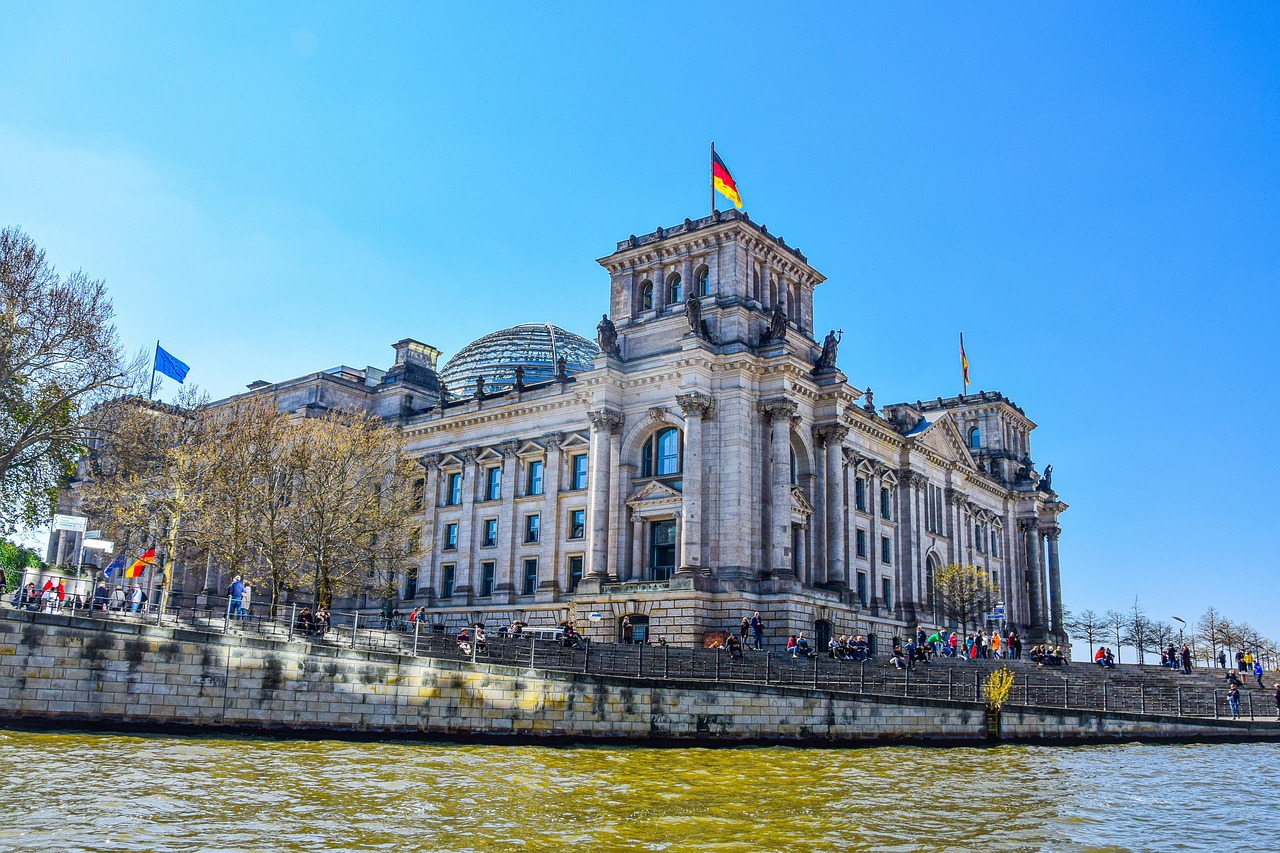
Image by gouv from Pixabay

An Irish bar in downtown Portland advertises being a licensed Oregon Lottery retailer. A law to allow Oregon Lottery winners to remain anonymous is progressing in the Salem State Capitol. (Image: Shutterstock)

Legislation to permit lottery winners to keep their identities private, known as House Bill 3115, is gaining traction in the Oregon Legislature. This bill would allow winners to maintain privacy while also prohibiting the buying and selling of winning lottery tickets.

Investigations by The Oregonian and Oregon Live! found that millions of dollars worth of lottery winnings were sold on secondary markets each year. Many winners have opted to sell their winning tickets at a discount for cash, often to avoid paying outstanding debts such as child support or taxes, which the Oregon Lottery is legally required to deduct from their prize amounts.

Here are some key points about the proposed legislation:

  • House Bill 3115 has received bipartisan support, quickly passing through the House of Representatives with a vote of 52 to 1.
  • The bill allows winners the discretion to disclose their name and address.
  • Under the proposed law, the names of prize winners would not be disclosed without their written consent.

Lottery Bill Progresses

The Senate Labor and Business Committee has endorsed HB3115. A presentation for a full Senate review is scheduled shortly, indicating that the bill is moving closer to becoming law.

The law would allow lottery winners to decide how much of their information to disclose, protecting their privacy while maintaining accountability within the lottery system.

While the new legislation aims to provide added privacy for lottery winners, it also includes provisions that allow the lottery to withhold winnings if recipients have unresolved legal obligations.

Interestingly, Oregon lottery players have achieved substantial success in the past, winning significant Powerball prizes, such as the $340 million jackpot shared between two families in 2005. However, no ticket from the Oregon Lottery has yet hit the Mega Millions jackpot.

Anonymous Lottery States

Lottery participation is legal across all but five states, with most requiring winners to come forward to ensure the lottery’s legitimacy. Yet, a notable 19 states allow winners to remain anonymous. These states include:

  • Arizona
  • Arkansas
  • Delaware
  • Georgia
  • Illinois
  • Kansas
  • Kentucky
  • Maryland
  • Minnesota
  • Mississippi
  • Missouri
  • Montana
  • New Jersey
  • South Dakota
  • South Carolina
  • Texas
  • Virginia
  • West Virginia
  • Wyoming

In Florida, winners who claim prizes of $250,000 or more may stay anonymous. Similarly, in Michigan, winners of sums exceeding $10,000 can maintain their secrecy.

In states that mandate the disclosure, regulations often permit claiming via a trust, wherein the trust’s name becomes part of the public record.

Conclusion

As Oregon considers this pivotal shift in lottery winner anonymity, it reflects a broader trend in the U.S. towards allowing winner confidentiality while balancing the need for public assurance. This proposed change has potential implications for both the integrity of lottery operations and the privacy of winners.


From Crime to Casino Chips: Pipe-Bomber Sentenced to 14 Years After Gambling Stolen $90K at Harrah’s Cherokee Valley River

bank robbery
Image by PIRO4D from Pixabay

From Stolen Cash to Casino Chips: Pipe-Bomber Sentenced to 14 Years After Gambling $90K at Harrah’s Cherokee Valley River

The high-stakes action begins with the most essential element on the table: the casino chips. Every movement, every bet, and every turning point in the game is defined by the clatter of these colorful tokens. These highlights capture the true essence of the thrill, focusing on the moments when the value of those casino chips determines the ultimate winner.

  • Man blew up ATM to steal $90K and then gambled it away at Harrah’s
  • FBI discovered eight additional homemade pipe bombs at his residence
  • Discovery of human remains prompted further investigation into the suspect

A man from Decatur, Georgia has been handed a 14-year prison sentence after using a homemade pipe bomb to blast open an ATM and snatch away a whopping $90,000 from the machine. Following his heist, Abdurrahim Jalal went on a brief gambling spree at the Harrah’s Cherokee Valley River Casino.

The Heist Unfolds

According to court documents, at approximately 3:11 a.m. on March 29, 2023, Jalal targeted a Bank of America ATM located in North DeKalb Mall. The FBI indicated that after the robbery, he proceeded to enjoy a gambling spree at a North Carolina casino.

Jalal, who worked as a landscaper, faced multiple serious charges, including bank theft and the use of explosives to commit a felony. A trial convened in June resulted in a guilty verdict in his case.

How the ATM Explosion Occurred

Security footage revealed Jalal approaching the ATM concealed beneath a hooded sweatshirt and cloth mask; he sported distinctive rectangular glasses. Before detonating the bomb, he attempted to obscure a camera with an apparent can of bug spray. Moments later, he was seen leaving the scene in a black Lincoln SUV.

Using a pry bar, he created an opening in the ATM, inserted two blue hoses aiming to deliver an accelerant, and affixed a metal pipe outside the machine before escaping the area. The bank’s security cameras ceased functioning shortly afterward, likely coinciding with the time of the explosion.

Key Moment: Security footage was instrumental in enabling authorities to track the stolen SUV back to Jalal.

Upon raiding Jalal’s home, authorities uncovered eight additional homemade pipe bombs, raising concerns that he might have had plans for further robberies.

Gambling Spree With the Stolen Cash

After his robbery, Jalal frequently visited Harrah’s Cherokee Valley River Casino, which is approximately a 2½-hour drive from Decatur. Reports indicate that he exchanged large sums of $20 bills for casino chips during these visits. While this behaviour suggests a typical money laundering method, court documents did not charge him with any money laundering offenses.

A Shocking Twist

Adding an unexpected turn to the case, police were later contacted by an attorney representing a young man who discovered human remains on his father’s property not far from where Jalal lived. Investigation confirmed that the remains belonged to a woman. Further search efforts at Jalal’s abode followed, but authorities have yet to establish any connection between the remains and Jalal, nor has he faced any charges related to this matter.

Conclusion

This case not only demonstrates a shocking robbery involving explosives but also highlights the complexities surrounding criminal investigations, including the unexpected consequences of the discoveries that unfold post-arrest. The implications of Jalal’s actions affect far more than just the immediate act of theft.

This story serves as a reminder of the serious repercussions of crime and the importance of law enforcement efforts in addressing such threats to public safety.

How Political Ties Impact Casino Licenses: The Bally’s Bronx Bid – 10BET

How Bally’s Bronx Casino Bid Navigates Political Ties and Casino Licenses

  • Developer Steve Witkoff has connections to the White House and serves as a consultant for Bally’s.
  • He has suggested that Mayor Adams consider a US ambassadorship.
  • Adams’ campaign chair holds a position at Bally’s.

Bally’s ambitious pursuit of a casino in the Bronx has turned its focus toward high-level political influence, aiming to secure the necessary casino licenses through strategic advocacy at influential locations like Gracie Mansion and the White House.

City government
Image by nikolaus_bader from Pixabay

A figure from Mayor Eric Adams’ campaign team, in conjunction with an influential Trump Administration member, is thought to have facilitated discussions about an ambassadorship role that could diminish competition in the upcoming New York City mayoral race, primarily aimed at countering frontrunner Zohran Mamdani (D).

The Politico outlet indicates that developer Steve Witkoff is at the centre of these discussions while also being a consultant for Bally’s. The company engaged Frank Carone in 2023 through his lobbying firm, Oaktree Solutions, which assisted many firms vying for downstate casino licenses.

Bally’s has garnered some political support, as illustrated by the recent actions of the New York City Council, which initially rejected a crucial land-use application by a vote of 29-9 essential for Bally’s planned development at Ferry Point. However, this setback was countered by a veto from Adams, allowing the project to proceed.

Bally’s Bronx Casino Site: A History of Controversy

The location proposed for Bally’s casino was formerly known as Trump Golf Links at Ferry Point, a course managed by the Trump Organization. Unresolved issues concerning its past extended to 2021, when then-Mayor Bill de Blasio made attempts to dissolve the city’s agreement with the firm in response to the January 6, 2021, Capitol riots. However, the courts ultimately ruled against de Blasio in this matter.

In a significant financial agreement made in late 2023, Bally’s acquired the remaining lease from Trump’s company for $60 million. This deal further stipulates that Bally’s will pay Trump’s organization $115 million should it obtain one of the three available casino licenses in the New York City area. Despite the casino’s new name, concerns linger regarding how the association with Trump may affect Bally’s prospects, particularly given this potentially hefty financial obligation.

Throughout its developments, Adams has asserted he is impartial regarding the casino license competition, with his office dismissing any alternative narratives as conspiritorial. However, some observers argue that Adams’ support of Bally’s bid, coupled with his past connections, presents a questionable public image.

Earlier reports have surfaced revealing that the White House hinted at offering Adams an exit from the competitive mayoral race, a strategy allegedly supported by financial incentives presented to various candidates, including Republican Curtis Sliwa.

The Future of Bally’s Bronx Casino

The path toward establishing Bally’s casino in the Bronx is progressively taking shape within New York City’s complex gaming landscape. Recent votes on proposals by Resorts World New York and MGM Resorts International, two leading contenders, have progressed positively in Queens and Yonkers community advisory committees.

Further developments are expected soon. On September 30, community advisory committees in the Bronx and Queens will deliberate on both the Bally’s project and the Metropolitan Park proposal, spearheaded by Steve Cohen, the owner of the New York Mets, and Hard Rock International, which is perceived as having a significant advantage in this competitive landscape.

It is feasible that both Bally’s and Metropolitan Park could receive recommendations from their respective advisory committees, since the final decision rests with the New York Gaming Facility Location Board (GFLB).

Summary: Bally’s attempt to cement a casino in the Bronx has stirred significant political intrigue due to its connections with influential figures, including Mayor Eric Adams and past Trump associates. The site’s controversial history, alongside recent financial commitments made to Trump’s organisation, casts uncertainty on Bally’s future, particularly as it faces stiff competition from other proposals. With upcoming advisory committee votes looming, the fate of Bally’s ambitions will soon be more clearly defined in New York’s evolving gaming scene.