


The Fascinating History of Slot Machines: From Mechanical to Digital
The Fascinating History of Slot Machines: From Mechanical to Digital
Slot machines have captivated players for over a century, evolving from simple mechanical devices to complex digital gaming systems. Their allure continues to attract millions worldwide. This article delves into the fascinating history of slot machines, shedding light on their journey through various eras of innovation.
The Origins of Slot Machines
The journey of slot machines began in the late 19th century. The first machine, known as the “Liberty Bell,” was invented by Charles Fey in 1895. This mechanical device featured three spinning reels and symbols such as horseshoes, diamonds, and the iconic Liberty Bell.
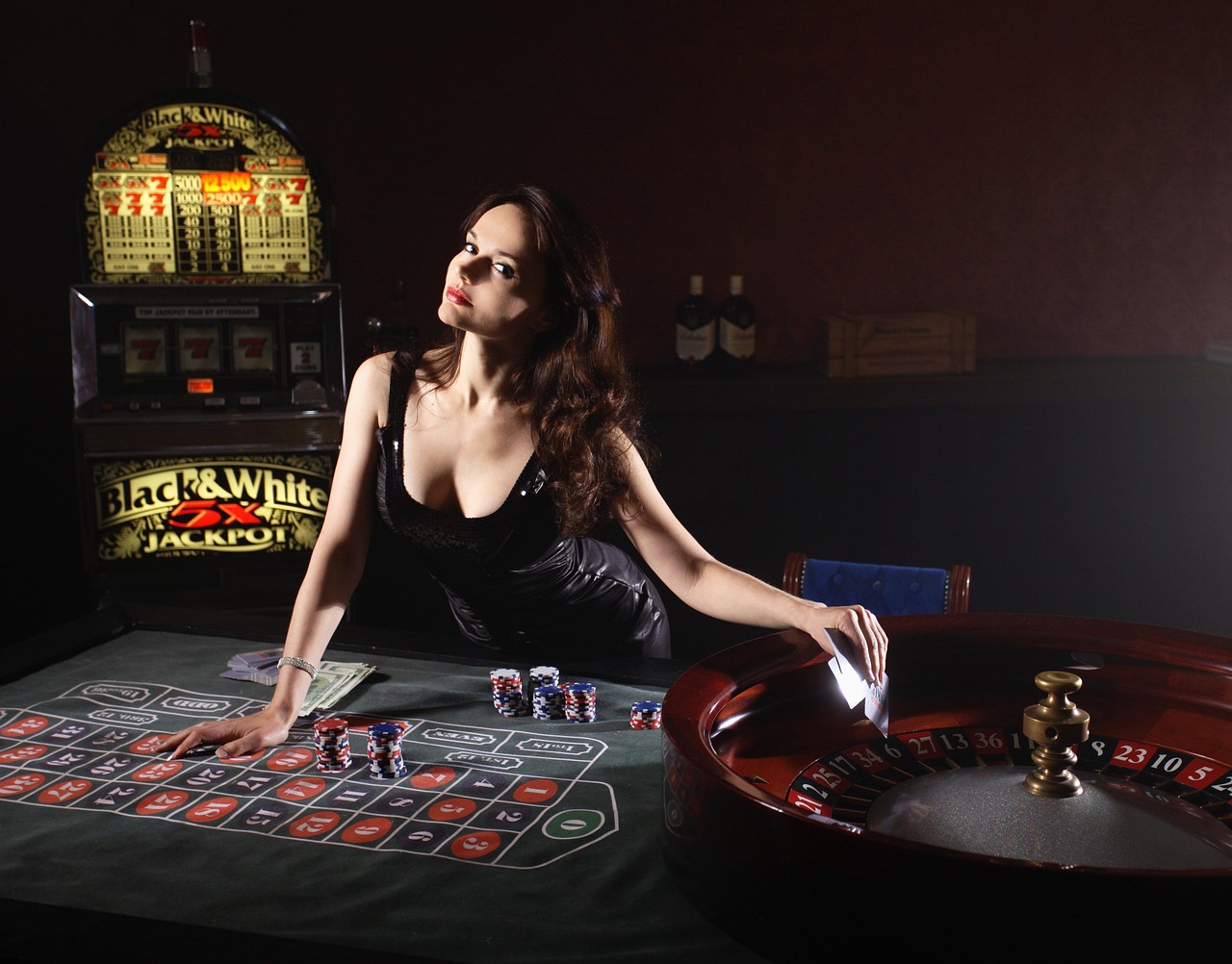
Today, this game is often considered the prototype for all slot machines that followed. Players would pull a lever to spin the reels, and if the symbols aligned, they would win coins. This marked the birth of a new form of entertainment.
The Rise of Mechanical Slot Machines
As the popularity of slot machines grew, so did the variety of designs and games. In the early 1900s, more manufacturers entered the market, leading to advancements in technology and design:
- Fruit Machines: Introduced in the 1900s, fruit machines added fun and visual appeal by incorporating fruit symbols.
- Multi-Reel Machines: By the 1930s, manufacturers began creating machines with multiple reels, increasing the complexity and potential payouts.
- Electromechanical Slot Machines: The introduction of electricity to slot machines in the 1960s allowed for innovative features, including automatic payouts and elaborate light displays.
The Advent of Video Slots
The 1970s marked a significant turning point in the history of slot machines with the introduction of video slots. These machines replaced physical reels with video screens, providing more creative control for developers:
- First Video Slot Machine: The first legal video slot machine, “Fortune Coin,” was introduced in 1976.
- Enhanced Graphics and Sound: Video slots allowed for the incorporation of animations and soundtracks, enhancing the gaming experience.
Regulatory Changes and Their Impact
As slot machines became more widespread, so did the need for regulation. By the 1980s and 1990s, many jurisdictions began implementing strict regulations on slot machines to ensure fairness and transparency:
- Random Number Generators (RNG): The introduction of RNG technology ensured that outcomes were random, increasing player trust.
- Licensing and Compliance: Casinos and manufacturers had to comply with gaming commissions, leading to the establishment of fair practices and accountability.
Online Slots and the Digital Revolution
The late 1990s and early 2000s ushered in the age of the internet, transforming how players engage with slot machines:
- Online Casinos: The rise of online casinos allowed players to enjoy their favorite slot games from the comfort of their homes.
- Mobile Gaming: With the advent of smartphones, mobile slot gaming gained traction, giving players on-the-go access to endless entertainment.
For more information on the growth of online casinos, visit Gaming Today.
Thematic and Progressive Slots
As technology advanced, so did the creativity of slot machines. Thematic and progressive slots gained popularity in the 2000s:
- Thematic Slots: These games are based on popular movies, TV shows, and other cultural phenomena, providing immersive gameplay experiences.
- Progressive Jackpots: These slots are connected to a network where a portion of each bet contributes to a growing jackpot, often leading to life-changing wins.
The Future of Slot Machines
As we look to the future, slot machines continue to innovate with technology like virtual reality (VR) and augmented reality (AR), offering players an immersive gaming experience. Developers are also exploring blockchain technology to enhance security and transparency in online slot gaming.
In summary, the history of slot machines is a testament to human creativity and technological advancement. From a simple mechanical device to the dynamic digital phenomenon we see today, slot machines have not only transformed the gaming industry but have also become cultural icons.
Conclusion
The evolution of slot machines reflects broader changes in technology and entertainment, captivating generations of players. As we move forward, one can only imagine how they will continue to adapt and enchant those who seek the thrill of a spin.