

How to Handle Challenges in Online Poker Teams
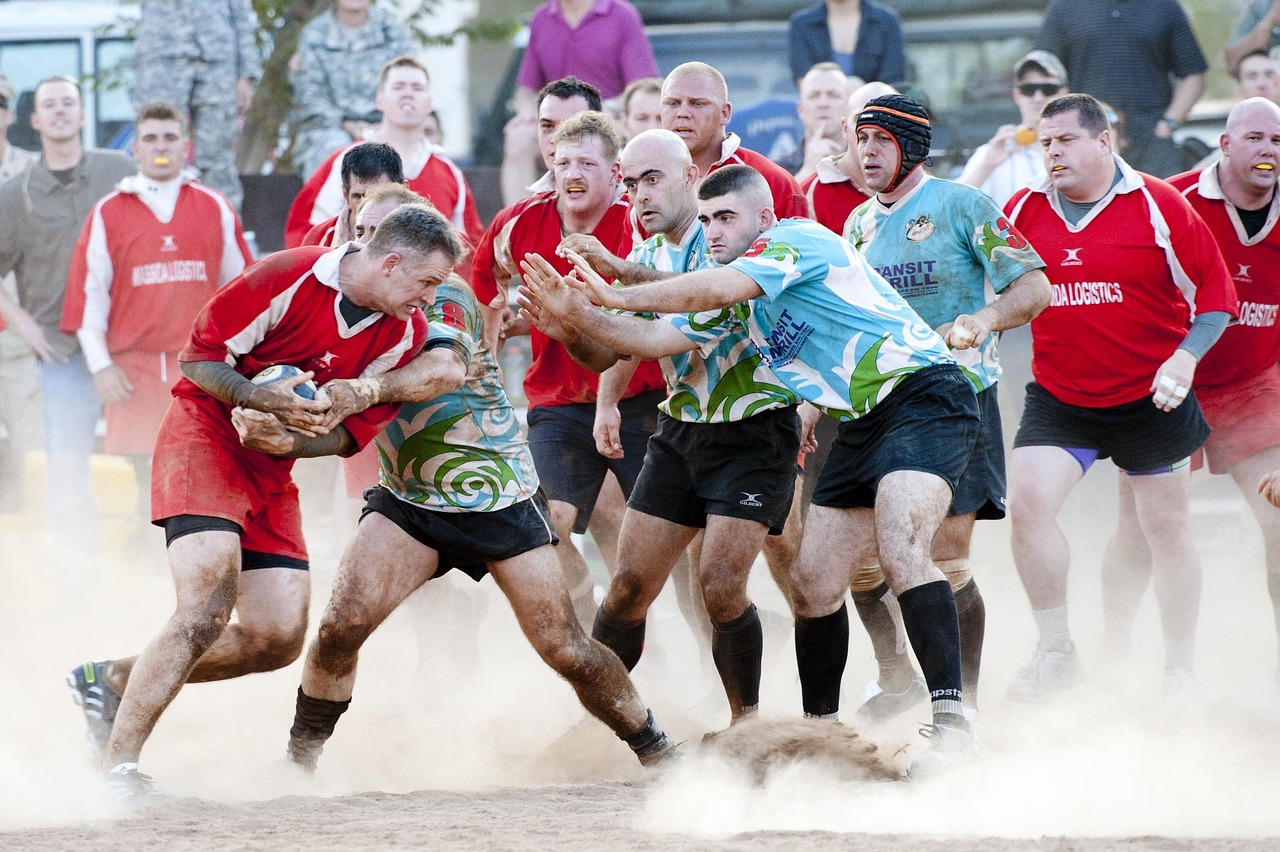
Online poker has grown tremendously in popularity, and thousands of players now collaborate in teams to improve their skills and increase their chances of winning. However, like any team-based environment, challenges can arise. This article explores how to handle those challenges effectively, ensuring a more productive and enjoyable poker experience for everyone involved.
H2: Understanding Team Dynamics in Online Poker
Team dynamics play a crucial role in the performance of any online poker team. Each member brings unique skills, knowledge, and personalities to the table.
– **Role Identification**: Recognizing the strengths and weaknesses of each player is vital. This helps in assigning roles based on expertise, such as tournament specialists, cash game experts, or strategists.
– **Team Goals**: Establish clear objectives that align with team members’ personal goals. Whether it’s improving individual strategies or reaching a specific rank, having a shared vision cultivates unity.
H2: Communication is Key
Effective communication is the cornerstone of any successful online poker team.
– **Regular Meetings**: Schedule regular meetings to discuss strategy, review past performance, and set future goals. Tools like Discord can facilitate discussions in real time.
– **Feedback Loops**: Encourage a culture of constructive criticism. Introduce anonymous feedback sessions to help members share their thoughts openly without fear of offending others.
H2: Conflict Resolution Strategies
Disagreements are inevitable in any collaborative endeavor, including poker teams.
– **Identify the Issues**: Keep an eye out for potential conflicts before they escalate. Open discussions about differing opinions can help clarify misunderstandings.
– **Mediation**: Sometimes, an impartial third party is needed to mediate discussions. This could be a team leader or an external mentor who understands both perspectives.
H2: Building Trust Among Members
Trust is a fundamental element that strengthens online poker teams.
– **Transparency**: Foster an environment of honesty where team members can express their concerns or mistakes without fear of backlash.
– **Team Activities**: Engage in team-building activities, even outside of poker. Games, social interactions, or poker training sessions can enhance camaraderie.
H2: Skill Development and Training
A successful poker team constantly seeks to improve its game.
– **Skill Workshops**: Organize skill development workshops focusing on specific areas like bluffing techniques, reading opponents, or math fundamentals in poker.
– **Review Sessions**: Conduct regular review sessions to analyze team plays, mistakes, and successes. Tools like Hand History review can be beneficial for this purpose.
H2: Emphasizing Individual Growth
While teamwork is essential, individual growth should not be overlooked.
– **Personal Goals**: Encourage team members to set personal objectives alongside team goals. This allows for balanced development on both fronts.
– **Mentorship**: Pair inexperienced players with experienced ones for mentorship. This not only boosts skills but also fills knowledge gaps within the team.
H2: Leveraging Technology
Modern technology offers various tools to streamline poker team operations.
– **Analytics Software**: Utilize software for hand tracking and performance analysis, allowing team members to learn from both individual and collective gameplay.
– **Online Platforms**: Choose appropriate online platforms that facilitate collaboration, like PokerTracker or Holdem Manager, where data can be shared seamlessly.
H2: Managing Expectations
Setting and managing expectations is essential to avoid disillusionment among team members.
– **Realistic Goals**: It’s critical to set attainable goals that reflect the current skill levels and competitive landscape of online poker.
– **Celebrate Successes**: Recognize and celebrate both small and big wins to maintain motivation and morale.
In summary, overcoming challenges in online poker teams involves fostering strong communication, resolving conflicts, building trust, developing skills, promoting individual growth, leveraging technology, and managing expectations. By implementing these strategies, teams can enhance their performance and enjoy a more satisfying poker experience together.
For further reading on team dynamics, check out [Team Dynamics in Sports](https://www.frontiersin.org/articles/10.3389/fpsyg.2019.01818/full) and [Conflict Resolution Techniques](https://www.mediate.com/articles/10Techniques.cfm) to gain deeper insights.