

From Cards to Cryptocurrency: How the Evolution of Digital Play Shaped the Modern Online Casino | 10BET
Introduction
The world of digital entertainment has undergone a remarkable transformation over the last couple of decades, most notably within the high-stakes realm of the online casino. From humble card games played at kitchen tables to vast, immersive digital ecosystems, the shift toward the modern online casino has been driven by rapid technological advancement and changing player preferences. This article delves into the evolution of these gaming stories, illustrating how traditional wagering has adapted to modern demands, with a specific focus on how cryptocurrency and blockchain technology are revolutionizing the online casino experience.
The Evolution of Online Gaming
Online gaming began to take off in the late 1990s with the advent of the internet. Traditional games such as poker and blackjack migrated to digital platforms, allowing players to connect globally. The gaming landscape evolved significantly, especially with the rise of:
- Instant access via websites
- Live dealer games
- Mobile applications
These advancements have led to an enriched gaming experience, making it more accessible and enjoyable than ever before.
The Rise of Cryptocurrency in Gaming
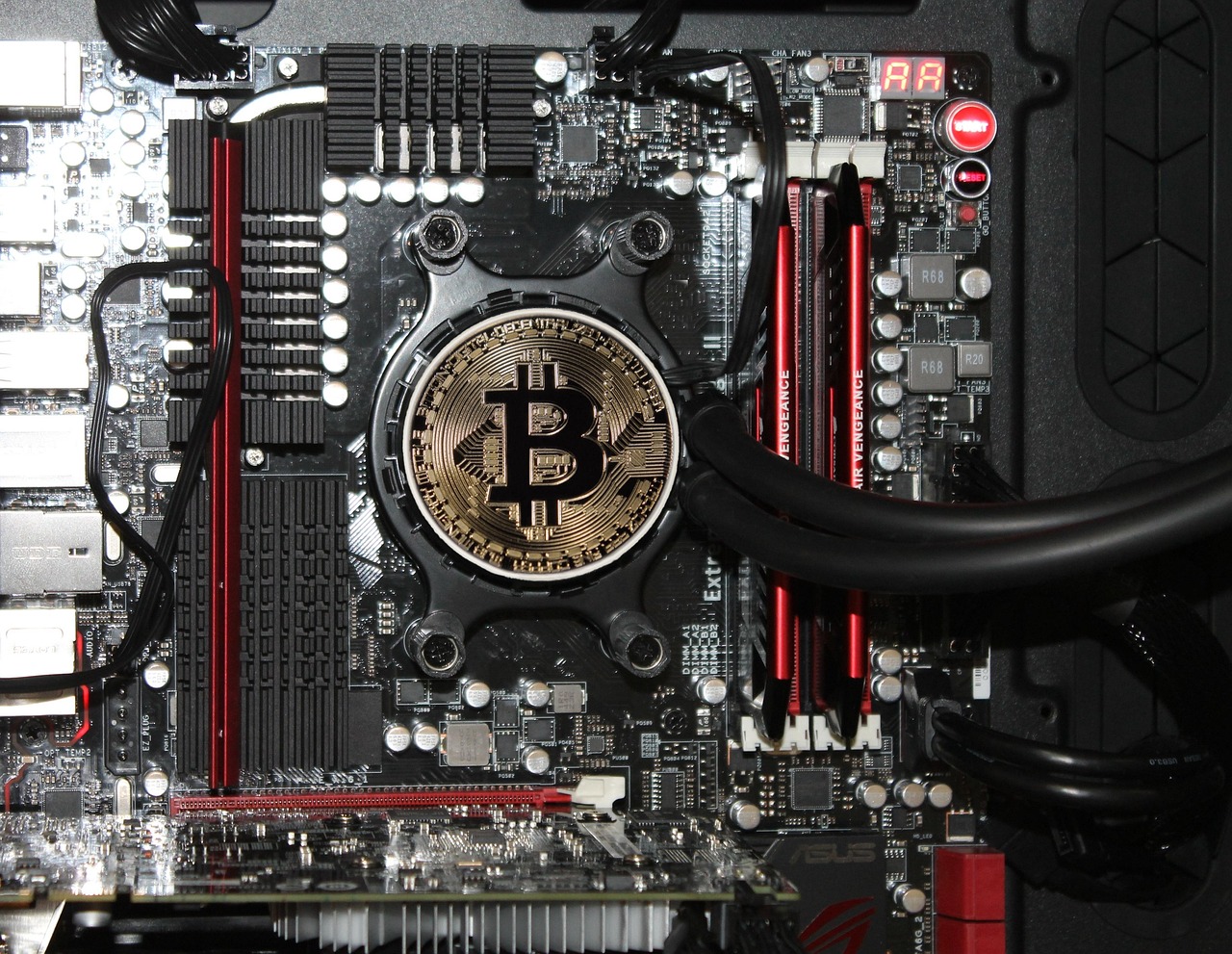
With the emergence of cryptocurrencies like Bitcoin, the gaming industry has seen transformative changes. Cryptocurrency has introduced various benefits, including:
- Faster transactions
- Lower fees
- Enhanced security
Many online casinos and gaming platforms now offer cryptocurrency as a payment option, allowing players to deposit and withdraw funds seamlessly. For more information, see CoinDesk.

Decentralization and the Blockchain Revolution
The use of blockchain technology in gaming has paved the way for decentralized platforms where players have more control over their assets. With blockchain, players can:
- Own in-game items as NFTs
- Trade assets with other players securely
- Participate in Decentralized Finance (DeFi) gaming
Decentralized gaming platforms like Axie Infinity and The Sandbox exemplify this trend, allowing players to earn and trade assets while playing games. Learn more about blockchain in gaming at Forbes.
Game Development and Investment Trends
The rise of cryptocurrency has attracted significant investment in the gaming sector, leading to innovative game development. Investors are more willing to fund projects that incorporate blockchain and cryptocurrency features. Key trends include:
- Play-to-Earn models
- Integration of AI and VR technologies
- Community-driven game design
This new wave of investment is revolutionizing how games are developed and monetized, providing consumers with unique gaming experiences.
Regulatory Challenges and Opportunities
As the gaming landscape evolves, so do the regulations. Governments worldwide are grappling with how to manage cryptocurrency in gaming. Key challenges include:
- Legality of online gambling
- Tax implications on crypto winnings
- Consumer protection
However, regulations can also lead to increased legitimacy and trust in blockchain-based gaming ecosystems.
The Future of Online Gaming
Looking ahead, the integration of cryptocurrency and blockchain technology will likely continue to shape the online gaming industry. Expectations include:
- Increased player ownership of assets
- More immersive VR and AR gaming experiences
- Greater interoperability between games and platforms
As technology continues to evolve, the relationship between gaming and cryptocurrency will likely deepen, transforming how players engage with their favorite games.
Conclusion
The shift from traditional card games to a rich tapestry of online gaming stories powered by cryptocurrency is not just a trend; it’s a revolution. As technology continues to evolve, the future of online gaming promises a more engaging, secure, and player-centric experience. Stay informed and embrace the changes that will shape the gaming industry for years to come.