


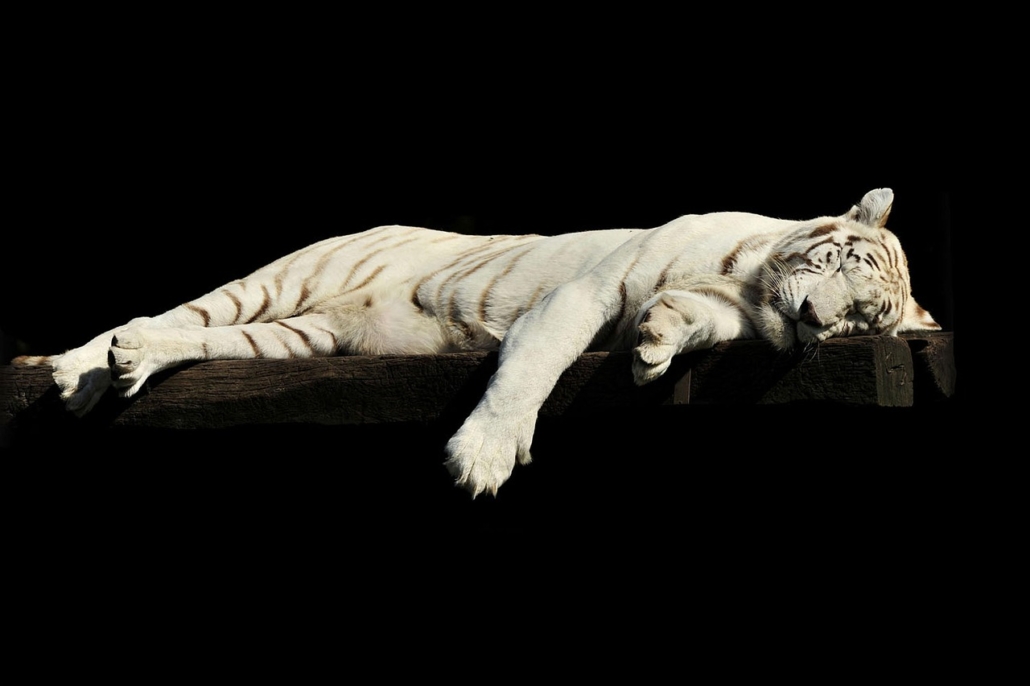
Las Vegas Casinos and Vegas Myths Busted: Siegfried & Roy’s Royal White Bengal Tigers
Las Vegas Casinos Myths Busted: From Siegfried & Roy’s Royal White Bengal Tigers to Gaming Legends
The world of high-stakes spectacle and magic has always been a cornerstone of the entertainment offered by Las Vegas casinos, with few names as iconic as Siegfried & Roy. Their breathtaking performances captivated audiences for years, serving as a premier attraction for those visiting the citys world-class resorts. However, their legendary legacy also raises a lot of questions and myths that need clarifying, much like the complex odds found on a gaming floor. One of the most notorious is the so-called “Royal White Bengal Tiger.” Contrary to popular belief, there is no officially recognised breed by that name; it is merely a marketing gimmick.
Understanding the Myth
- Royal White Bengal Tigers are a marketing term, not an actual breed.
- These white tigers are mutations of Bengal tigers, prone to a myriad of genetic problems due to inbreeding.
- Roy Horn’s almost fatal accident in 2003 changed public perception regarding the use of wild animals in entertainment.
Recently, the tragic death of Ryan Easley, a former member of the “Tiger King” saga, served as a grim reminder of the dangers involved in handling wild animals. It prompted many to reflect on the legacy of Siegfried & Roy, who were at the helm of Las Vegas entertainment from 1990 until their reign ended in 2003 after a gruesome tiger attack.
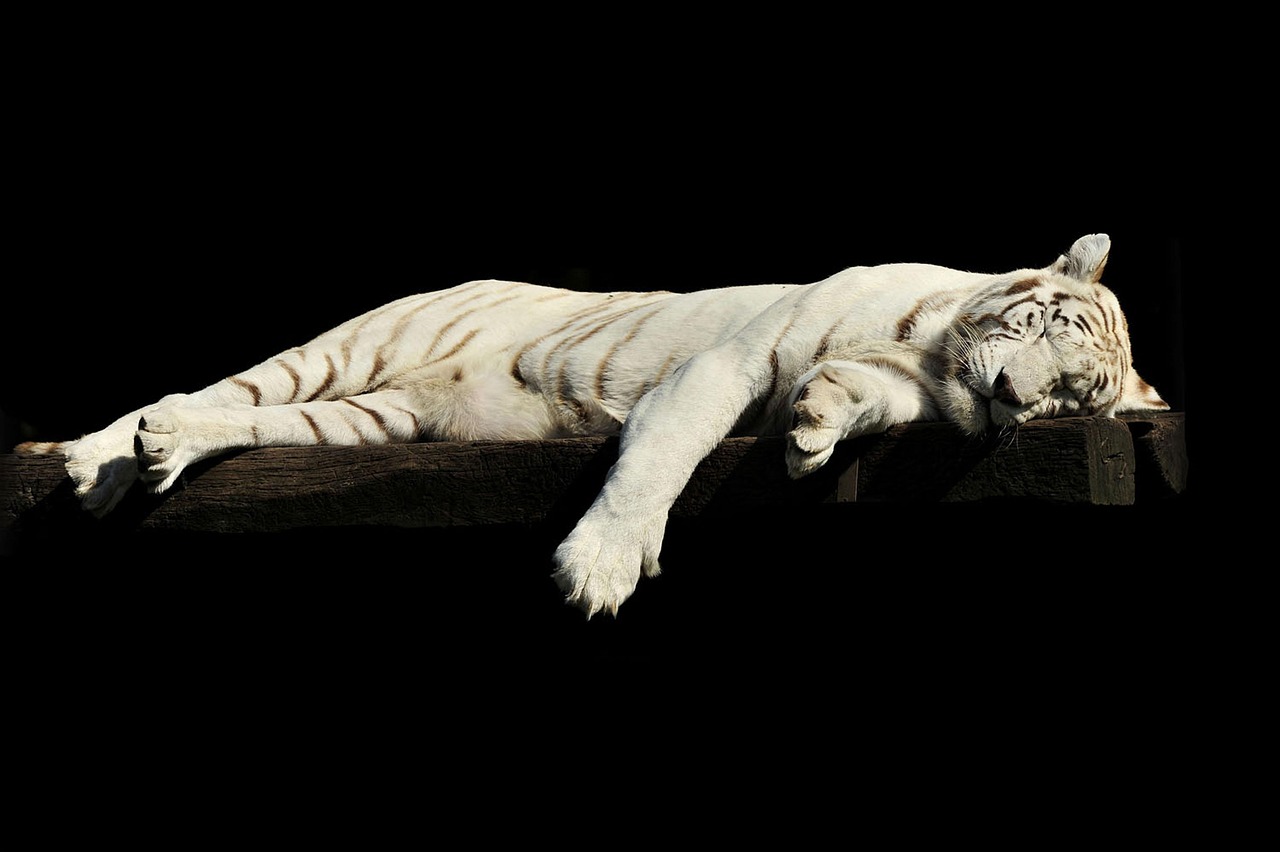
Despite frequently referring to their exotic animals as “Royal White Bengal Tigers,” Siegfried & Roy’s use of this terminology was strictly for showbiz. The actual white tigers are results of a genetic mutation, which prevents the production of the pigment that gives their orange hue. This colour is achieved through intensive inbreeding.
The Truth Behind Inbreeding
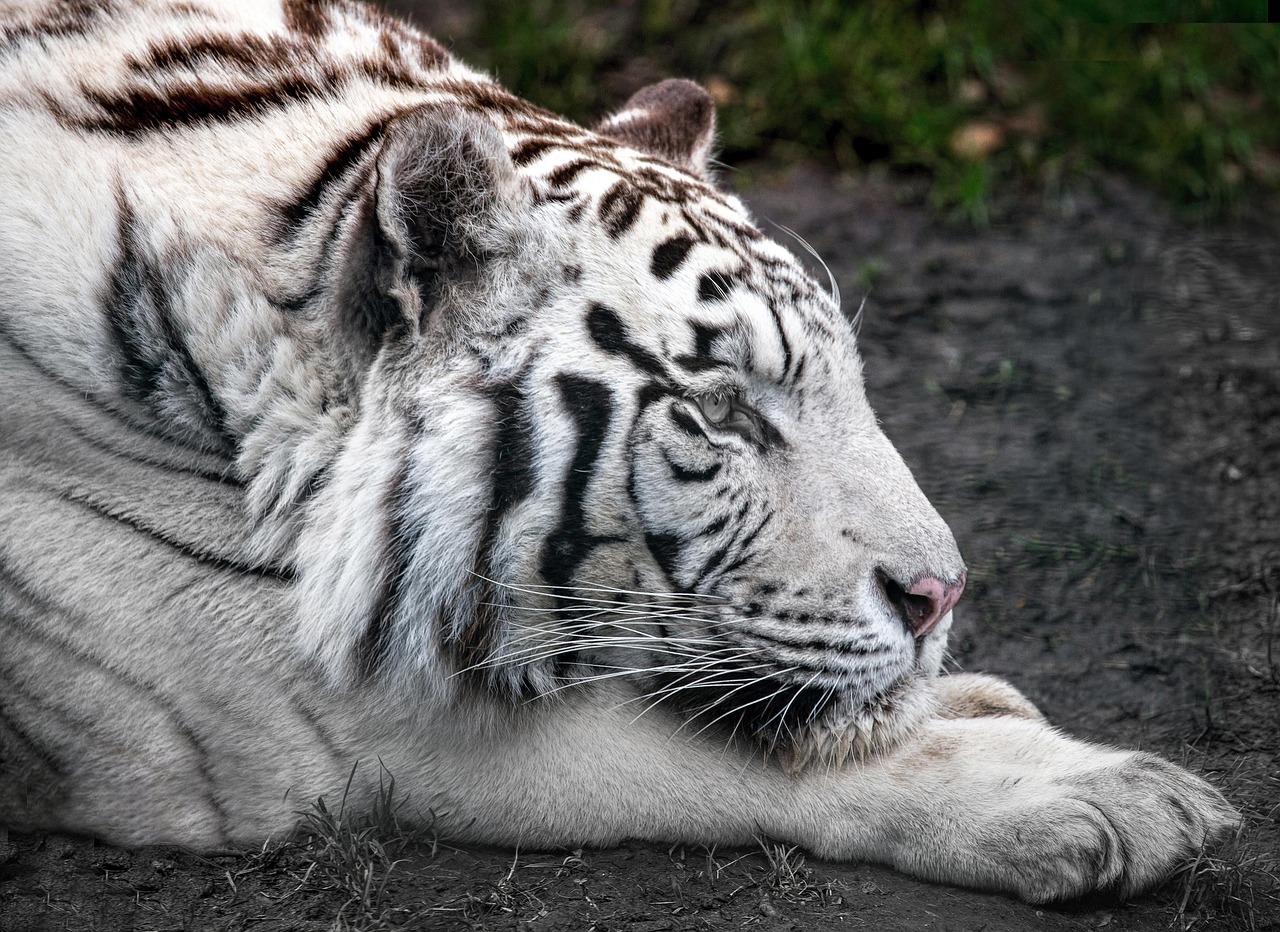
White tigers are not a distinct subspecies, but rather a mutation of Bengal tigers. The leucism responsible for their white fur is achieved through extensive inbreeding, which often includes breeding siblings or parents with their offspring. All white tigers in captivity are reportedly descendants of a single male captured in India over half a century ago named Mohan.
This inbreeding comes with dire consequences. Many white tigers suffer from serious health issues, including:
- Spinal deformities
- Cardiac defects
- Immune deficiencies
- Cleft palates
- Permanently crossed eyes
Furthermore, studies indicate around an 80% neonatal mortality rate among white tiger cubs. Debbie Metzler from People for the Ethical Treatment of Animals (PETA) pointed out the ethical implications of exploiting these animals for entertainment.
Harmful Impact of Perception
By marketing their white tigers as a rare subspecies, Siegfried & Roy misled the public about their treatment and breeding practices. The profit they earned from these shows did not contribute to wildlife conservation, but merely sustained their extravagant lifestyles and showcased their collection of exotic animals. Moreover, they frequently sourced animals from dubious dealers who compromised their quality of life.
This troubling approach contributed significantly to the exotic pet trade, leading others to wrongfully believe that tigers could be domesticated. Such misunderstandings paved the way for more backyard breeders and roadside zoos to exploit these magnificent creatures.
Changing the Conversation
The infamous incident involving Mantacore, Roy Horn’s beloved tiger, brought much-needed attention to the dangerous consequences of such enterprises. This incident marked a turning point in public sentiment against the exploitation of animals for entertainment. Soon after, various organisations enacted laws and guidelines to prevent the breeding of white tigers and clamp down on private ownership of big cats.
Efforts towards proper animal treatment continue to evolve. In 2022, the Big Cat Public Safety Act was passed, further safeguarding these beautiful creatures from exploitation.
Summary
As we dissect the legacy of Siegfried & Roy, it becomes clear that the enchantment surrounding their performances comes with a darker backdrop. The story of the Royal White Bengal Tiger serves as a significant reminder about ethical wildlife treatment and the dangers of believing myths generated for entertainment. By addressing misconceptions and advocating for proper animal governance, we can hope to see a brighter future for wildlife conservation.
Find out more fascinating insights by checking out more articles on topics like these at Grand Rush Online Blog.