
Mastering the Visual Appeal of Japanese Casino Games: A Deep Dive into Design Elements | 10BET
Introduction
Japan is renowned for its rich cultural heritage, and this extends to its casino gaming materials. The design elements found in Japanese casino games reflect deep-rooted traditions, aesthetics, and an appreciation for craftsmanship. In this article, we will explore various aspects of these design elements, shedding light on their significance and evolution.
1. Traditional Japanese Motifs
Japanese design is heavily influenced by traditional motifs that often carry cultural significance. Commonly seen elements include:
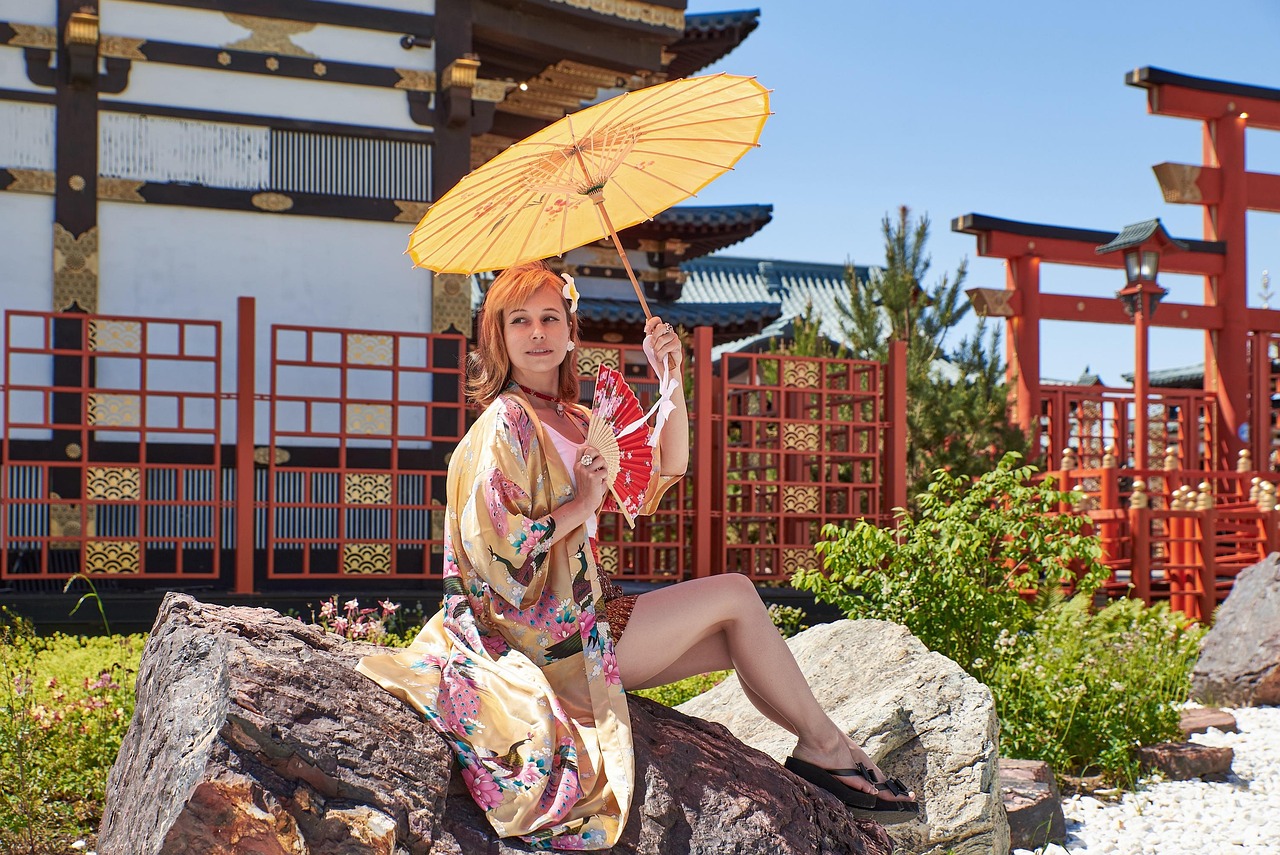
- Cherry Blossoms: Symbolizing the transient nature of life, cherry blossoms (sakura) are often featured in various materials.
- Koi Fish: Representing perseverance and strength, koi fish designs can be found in game cards and tables.
- Waves and Water: Inspired by the famous woodblock prints (Ukiyo-e), wave patterns evoke calmness and fluidity.
These motifs not only enhance the aesthetic appeal but also connect players with Japanese culture. For further reading on traditional Japanese designs, visit Japan Culture NYC.

2. Color Symbolism
The color palette used in Japanese casino game materials is carefully selected to evoke specific emotions and meanings. Key colors include:
- Red: Often associated with luck and prosperity.
- Black: Symbolizing elegance, mystery, and sophistication.
- Gold: Representing wealth and success, often used in high-stakes games.
Understanding color symbolism is essential for creating engaging gaming experiences. Learn more about color meanings in Japanese culture at Japanese Lifestyle.
3. Material Choices
Japanese casino materials often prioritize quality and craftsmanship. Common materials include:

- Wood: Famed for its beauty and durability, wood is often used for game tables and playing pieces.
- Paper: High-quality paper, often decorated with intricate designs, is used for cards.
- Textiles: Fabric is employed in table coverings, emphasizing texture and warmth.
The choice of materials reflects the Japanese philosophy of ‘monozukuri’, or craftsmanship. For a deeper dive into Japanese materials, check out Nippon.com.
4. Typography and Calligraphy
The font styles and calligraphy used in casino games can greatly influence the overall aesthetic. Japanese calligraphy, known as shodo, adds an artistic flair to game components. There are two common types:
- Kanji: Chinese characters that represent words or ideas.
- Hiragana and Katakana: Phonetic scripts used for sounds, often seen in game titles.
These elements not only enhance the visual appeal but also contribute to the cultural authenticity of the games.
5. Game Board Designs
Each game type has its own unique board design influenced by its gameplay mechanics. For instance:
- Pachinko: Boards are typically adorned with vibrant, animated artwork and intricate patterns.
- Shaban: This traditional Japanese gambling game features boards with detailed artwork that tells a story.
The design ensures that each game is visually distinct while also offering an immersive gaming experience.
6. Cultural Influences in Modern Design
With the rise of online gaming and modern technology, Japanese casino game materials are evolving. Influences from pop culture, such as anime and video games, are increasingly seen in design elements. This fusion caters to a younger demographic while maintaining a link to traditional aesthetics. Learn more about this evolution at The Japan Times.
Conclusion
The design elements of Japanese casino game materials are a harmonious blend of tradition, culture, and modern influences. From the intricate motifs to carefully chosen materials and typography, each component plays a crucial role in the overall gaming experience. By understanding these elements, players can gain a deeper appreciation for the art of Japanese gaming.