
Exploring Fascinating Gambling Superstitions from Different Cultures
Introduction
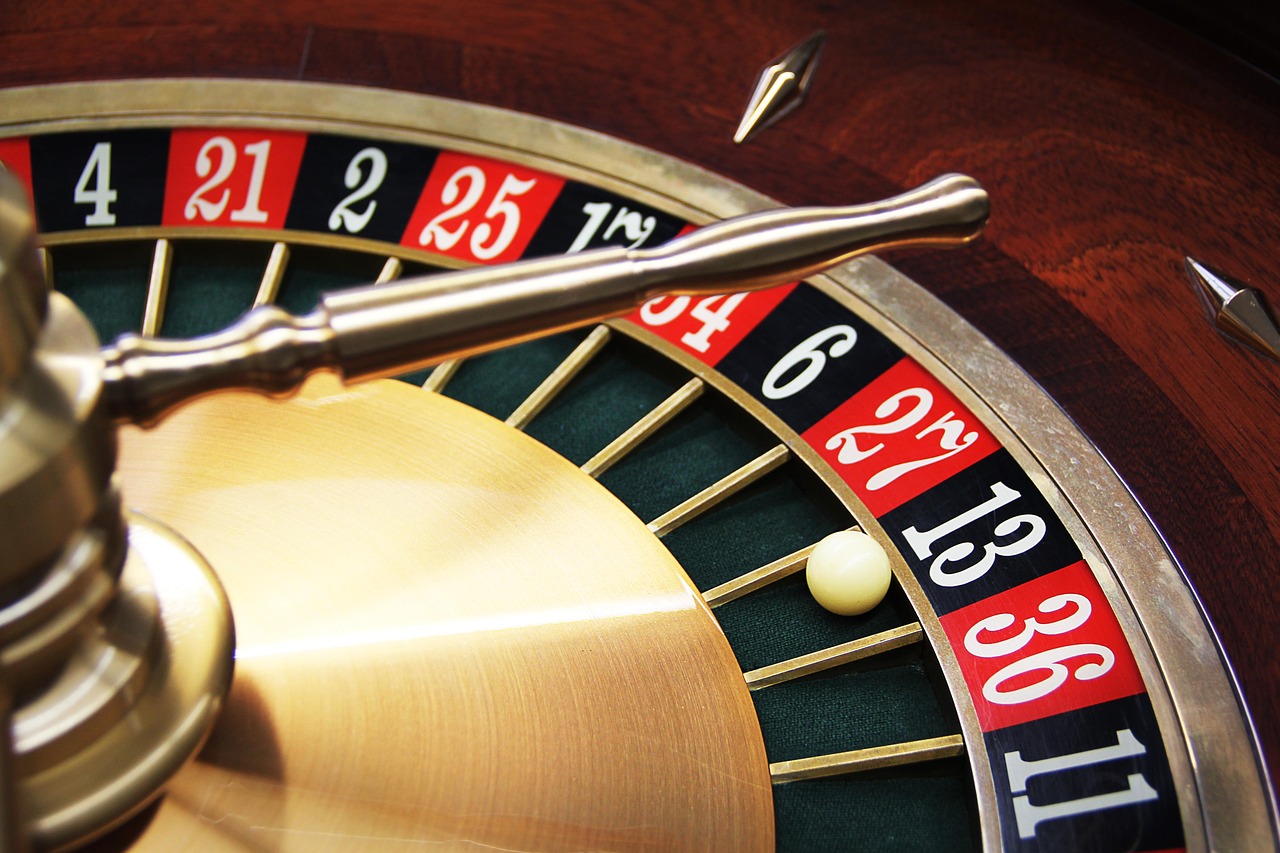
While many view the casino floor as a place of pure mathematics and probability, the atmosphere is often driven by the invisible hand of gambling superstitions. These deeply ingrained beliefs and rituals add layers of psychological meaning to the high-stakes experience, turning simple bets into complex traditions. From specific ways of handling chips to ceremonial gestures before a spin, these unusual habits significantly impact the strategies and mindsets of players worldwide. In this article, we’ll delve into some of the most intriguing gambling superstitions from different cultures, highlighting their unique significance and how they shape the players journey.
The Role of Superstition in Gambling
Superstitions are common in gambling, and many cultures have their own beliefs that influence how people behave while wagering. Common superstitions include:
- Lucky charms or tokens.
- Specific routines before placing bets.
- Avoiding certain numbers.
Understanding these superstitions can help players navigate the psychological elements of gambling.
External Link
To learn more about gambling superstitions, visit Gambling.com.
Chinese Gambling Traditions
In Chinese culture, gambling is often associated with luck and family gatherings. One of the most common rituals involves playing card games during family reunions, especially during the Lunar New Year. Players may employ:
- Lucky colors (red is favored).
- Specific seating arrangements.
- Offering food to deities before play.
This blend of gambling with cultural celebration exemplifies the significance of tradition in gaming.
Native American Gambling Ceremonies
Many Native American tribes incorporate gambling into their spiritual practices. Some rituals include:
- The use of traditional games, such as stickball.
- Worshipping the spirits before playing any game.
- Gathering around a fire to share stories about the games.
Gambling serves as both entertainment and a way to connect with cultural roots.
External Link
For more insight, see Native American Network.
Japanese Pachinko Etiquette
Pachinko parlors are iconic in Japan, and players often follow unwritten rules and rituals, such as:
- Arriving early to secure a good spot.
- Wearing specific clothing believed to invite luck.
- Partaking in traditional bowing rituals when receiving prizes.
This etiquette is often passed down through generations, creating a unique gambling culture.
The Haka Dance in New Zealand
In New Zealand, the Māori culture often sees the Haka dance performed before gambling events. This dance is a display of strength and can involve:
- Chanting tribal songs.
- Movements that celebrate cultural identity.
- A rallying call for good fortune.
The Haka instills a sense of unity among players while acknowledging the importance of tradition.
External Link
Learn more about the Haka at New Zealand Tourism.
Indian Gambling Festivals
In India, festivals often incorporate gambling activities, such as the card games played during the Diwali festival. Some key elements include:
- Wearing new clothes for good luck.
- Setting up a special area for games and rituals.
- Offering prayers for fortune before starting.
These practices illustrate the intertwining of celebration and gambling, reflecting deep-rooted cultural beliefs.
European Rituals in Gambling
In various European countries, gambling often comes with unique local traditions. For instance:
- In Italy, throwing salt is believed to ward off bad luck.
- In Spain, players often knock on wood to invite good luck.
- In the UK, certain games are played with specific rituals like selecting cards based on color.
Cultural practices can enhance the experience and even influence outcomes in players’ minds.
External Link
For further details on European gambling customs, refer to European Gambling Network.
Conclusion
Gambling rituals from around the world showcase a rich tapestry of cultural beliefs and practices that enhance the overall experience. Whether it’s through superstition, family gatherings, or traditional games, these rituals serve as a fascinating reflection of each culture’s values and history. Understanding these practices not only enriches the gambling experience but also sheds light on how interconnected traditions shape our approach to play.